

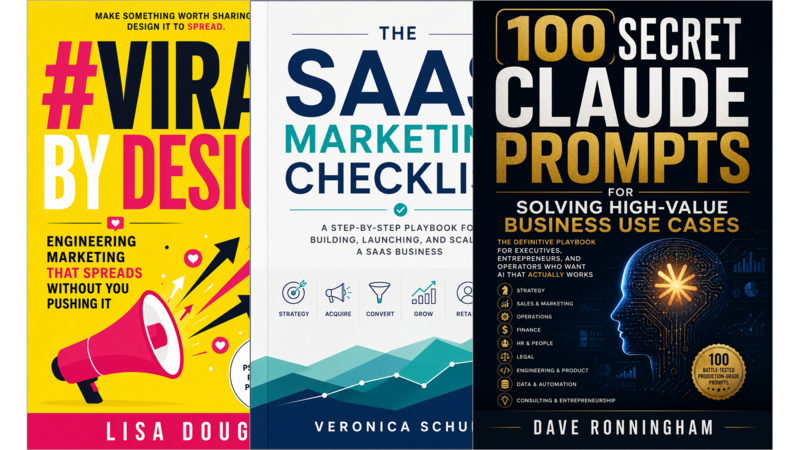


Engineering Marketing That Spreads Without You Pushing It
- Copyright Page
- Dedication
- Acknowledgments
- Foreword: Why This Book Exists
Introduction: The Viral Promise
- Why Virality Matters Now More Than Ever
- The Myth of Viral Luck
- What This Book Will Teach You
- Who This Book Is For
- A Note on Ethics
- How to Use This Book
Chapter 1: Why Things Spread, The Psychology of Virality
- The Sharing Instinct: Why Humans Broadcast
- Social Currency and Status Signaling
- Emotional Arousal as a Transmission Mechanism
- Practical Value and Utility Sharing
- Stories as Information Vehicles
- Public Visibility and Social Proof
- Triggers: Keeping Your Brand Top-of-Mind
- Putting It All Together
- Key Takeaways
- Recommended Tools and Resources
Chapter 2: Networks, Influence and the Mechanics of Diffusion
- Network Topology: How Connections Shape Spread
- Influencers, Super-Spreaders and Opinion Leaders
- Weak Ties versus Strong Ties in Viral Chains
- Threshold Models and Critical Mass
- Contagion versus Conversion: Two Paths of Diffusion
- Measuring Your Network Position
- Key Takeaways
- Recommended Tools and Resources
Chapter 3: Product-Market Fit as the Engine of Organic Growth
- The Viral Coefficient: A Foundational Metric
- Built-in Virality: Designing for Shareability
- Network Effects: Direct, Indirect and Two-Sided Markets
- Frictionless Onboarding and Word-of-Mouth Triggers
- Case Studies: Dropbox, WhatsApp, TikTok, Airbnb
- When Product-Led Growth Goes Wrong
- Engineering Your Viral Loop
- Key Takeaways
- Recommended Tools and Resources
Chapter 4: Emotional Architecture, Designing Content That Moves People
- The High-Arousal Emotion Matrix
- Awe, Surprise and the Novelty Bonus
- Anger, Outrage and Moral Conviction
- Humor and the Social Lubricant Effect
- Nostalgia, Belonging and Identity Alignment
- Emotional Sequencing in Campaigns
- Measuring Emotional Impact
- Designing for Emotional Resonance: A Checklist
- Key Takeaways
- Recommended Tools and Resources
Chapter 5: Storytelling and Brand Narrative for Viral Amplification
- The Anatomy of a Shareable Story
- Archetypes, Heroes and the Underdog Frame
- Conflict, Tension and Resolution Arcs
- Brand as Character: Building Narrative Identity
- User-Generated Stories and Co-Creation
- From One-Off Viral to Sustained Narrative
- Storytelling Across Formats and Platforms
- Evaluating Your Brand Stories
- Key Takeaways
- Recommended Tools and Resources
Chapter 6: Platform Strategy, Where and How to Distribute
- Understanding Platform Economics and Incentives
- Instagram, TikTok and Short-Form Video Dynamics
- X/Twitter, Threads and Conversation-Based Distribution
- YouTube and Long-Form Engagement Loops
- LinkedIn, Reddit, Niche Communities and Interest Graphs
- Cross-Platform Sequencing and Funnel Design
- Platform Selection Framework
- Key Takeaways
- Recommended Tools and Resources
Chapter 7: Influencer Marketing and Creator Partnerships
- The Influencer Landscape: Macro, Micro, Nano and Beyond
- Authenticity, Trust and Audience Alignment
- Finding and Vetting the Right Partners
- Campaign Structures: Affiliate, Sponsorship, Co-Creation
- Measuring Influencer ROI and Avoiding Vanity Metrics
- Platform-Native Creators versus Celebrity Endorsements
- Building Influencer Programs That Scale
- Key Takeaways
- Recommended Tools and Resources
Chapter 8: Building Communities That Drive Organic Growth
- Community as a Distribution Channel
- Founding Members and Cultural Codification
- Rituals, Language and Shared Identity
- Moderation, Governance and Trust Maintenance
- Case Studies: Peloton, Duolingo, Discord Communities
- When Communities Backfire
- Building Your Community Strategy
- Key Takeaways
- Recommended Tools and Resources
Chapter 9: Referral Systems, Growth Loops and Mechanical Virality
- The Anatomy of a High-Converting Referral Program
- Double-Sided Incentives and Reciprocity
- Designing Self-Reinforcing Growth Loops
- Gamification, Milestones and Social Recognition
- Case Studies: Dropbox, PayPal, Uber, Robinhood
- Avoiding Spammy Mechanics and Value Erosion
- Key Takeaways
- Recommended Tools and Resources
Chapter 10: Guerrilla Marketing, PR Stunts and Breaking Through the Noise
- The History and Evolution of Guerrilla Marketing
- Stunt Design: Shock, Surprise and Spectacle
- Earned Media Mechanics and Journalist Psychology
- Low-Budget Creativity and Resourcefulness
- Case Studies: ALS Ice Bucket Challenge, Red Bull Stratos, Dollar Shave Club
- When Stunts Fail: Tone-Deafness and Backlash
- Designing Stunts That Work: A Framework
- Key Takeaways
- Recommended Tools and Resources
Chapter 11: Algorithmic Distribution, Riding Platform Dynamics
- How Recommendation Algorithms Actually Work
- Engagement Signals and Ranking Factors
- The First-Hour Effect and Velocity Metrics
- SEO, Discoverability and Search-Based Virality
- Adapting to Algorithm Changes Without Losing Your Mind
- Building Distribution Independence
- Key Takeaways
- Recommended Tools and Resources
Chapter 12: Data, Experimentation and Measurement
- Key Metrics Beyond Vanity Numbers
- Attribution Models and the Viral Attribution Problem
- A/B Testing Content, Creative and Messaging
- Cohort Analysis and Retention as Leading Indicators
- Experimentation Culture and Iterative Learning
- Tools, Dashboards and Analytics Infrastructure
- Key Takeaways
- Recommended Tools and Resources
Chapter 13: Monetization, Scaling and Sustainable Viral Growth
- From Attention to Revenue: Conversion Funnels
- Pricing Strategies for Viral Products
- Retention as the Real Viral Multiplier
- Scaling Without Killing Culture or Quality
- Lifecycle Management: Acquire, Engage, Monetize, Defend
- When to Shift from Growth to Profitability
- Key Takeaways
- Recommended Tools and Resources
Chapter 14: Ethics, Legal Risks and Crisis Management
- Manipulation versus Persuasion: Where Is the Line?
- Dark Patterns and Deceptive Design
- Data Privacy, Consent and Regulatory Compliance
- Misinformation, Deepfakes and Authenticity Risks
- Intellectual Property and Content Ownership
- Crisis Triggers and Response Playbooks
- Building Ethical Guardrails Into Your Strategy
- Key Takeaways
- Recommended Tools and Resources
Chapter 15: Global Virality and Cultural Adaptation
- Cultural Dimensions and Sharing Behavior
- Localization versus Standardization
- Platform Fragmentation by Region
- Case Studies: K-Pop, Netflix, Gaming, Fast Fashion
- Navigating Censorship, Regulation and Taboos
- Building a Globally Aware Creative Process
- Key Takeaways
- Recommended Tools and Resources
Chapter 16: The Future of Viral Marketing, AI, Emerging Platforms and What Comes Next
- AI-Assisted Content Creation at Scale
- Personalization, Hyper-Segmentation and Dynamic Creative
- Emerging Platforms: AR/VR, the Metaverse, Voice, Wearables
- Attention Economics in an Overloaded World
- The Death of Virality? Fragmentation and Micro-Virality
- Preparing Your Strategy for Uncertainty
- Key Takeaways
- Recommended Tools and Resources
Conclusion: The Viral Mindset
- The Core Principles, Synthesized
- The Enduring Power of Human Connection
- Your Next Steps
- The Future Is What You Make It