

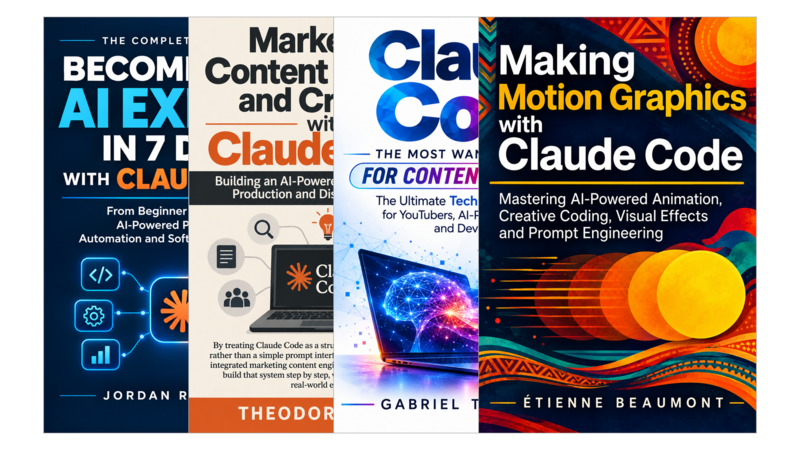

The Ultimate Technical Masterclass for YouTubers, AI-Powered Creators and Developers
Introduction: The Tool You Did Not Know You Needed
Chapter 1: What Claude Code Actually Is
- The Agentic Execution Model Explained
- Claude Code Versus Claude Models and the API
- How Claude Code Thinks, Plans and Acts
- The Terminal Environment and Runtime
Chapter 2: Installation, Configuration and Authentication
- System Requirements and Installation Methods
- Authentication Flows and API Key Management
- The Settings Hierarchy and CLAUDE.md
- Environment Configuration and Model Selection
Chapter 3: Context Windows, Token Management and Context Engineering
- How Context Windows Work in Claude Code
- Token Budgets, Limits and Real-World Capacity
- Context Engineering Strategies for Long-Running Sessions
- Retrieval, Summarization and State Persistence
Chapter 4: Tool Execution, Permissions and Security Boundaries
- The Tool Execution Architecture
- Sandboxing, Sandboxes and Runtime Isolation
- Permission Models and Approval Flows
- Security Best Practices and Threat Modeling
Chapter 5: Codebase Exploration and Navigation
- File Operations and Project Discovery
- Symbol Search, Reference Tracking and Code Understanding
- Working With Large Repositories
- Language-Specific Awareness and Conventions
Chapter 6: Planning, Autonomous Execution and Debugging
- Task Decomposition and Planning Patterns
- Autonomous Execution and Human-in-the-Loop Controls
- Debugging Workflows and Error Recovery
- Testing, Validation and Quality Assurance
Chapter 7: Git Integration and Version Control Workflows
- Git Operations and Branching Strategies
- Commit Messages, Diff Review and Code Review
- Collaborative Workflows and Conflict Resolution
- Release Engineering and CI/CD Integration
Chapter 8: Subagents, Agent Teams and Parallel Workflows
- Subagent Architecture and Communication
- Building Agent Teams for Complex Work
- Parallel Execution and Coordination Patterns
- Custom Agents and Specialized Skills
Chapter 9: MCP Servers, Integrations and Extensibility
- The Model Context Protocol Explained
- Connecting External MCP Servers
- Building Custom Tools and Skills
- Ecosystem Overview and Integration Patterns
Chapter 10: IDE Workflows, Remote Environments and DevOps
- IDE Integration and Editor Workflows
- Remote Development and Container Environments
- CI/CD Pipelines and Automation
- Observability, Logging and Monitoring
Chapter 11: Building a YouTube Research Agent
- System Design and Architecture
- Competitive Intelligence and Niche Discovery
- Trend Analysis and Topic Prioritization
- Implementation and Deployment
Chapter 12: Automated Video Scripting Pipelines
- Script Architecture and Content Patterns
- Research-to-Script Workflow Design
- Fact-Checking and Accuracy Systems
- Pipeline Implementation With Claude Code
Chapter 13: The Creator Knowledge Base
- Knowledge Architecture and Information Design
- CLAUDE.md for Creator Workspaces
- Retrieval, Organization and Search
- Synchronization and Versioning
Chapter 14: Content Repurposing Engine
- Content Atomization and Format Mapping
- Shorts Generation and Clip Extraction
- Cross-Platform Repurposing Workflows
- Implementation and Quality Controls
Chapter 15: Analytics Dashboard and Growth Systems
- Metrics That Matter for Creators
- Data Collection and Integration
- Automated Analysis and Insights
- Growth Experimentation and A/B Testing
Chapter 16: Multi-Agent Production Workflow
- Production Pipeline Architecture
- Agent Roles and Responsibilities
- Workflow State and Coordination
- Error Handling and Reliability
Chapter 17: Prompt and Context Engineering
- Instruction Design and Structured Prompts
- System Prompts and CLAUDE.md Strategies
- Few-Shot Patterns and Examples
- Evaluation and Iteration
Chapter 18: Reliability, Safety and Production Deployment
- Failure Modes and Error Patterns
- Human Oversight and Approval Gates
- Idempotency and Recovery
- Production Deployment Strategies
Chapter 19: Performance Optimization and Cost Management
- Token Efficiency and Cost Tracking
- Model Selection and Tiered Strategies
- Caching and Deduplication
- Monitoring and Budget Controls
Chapter 20: Troubleshooting, Advanced Debugging and Edge Cases
- Common Failure Patterns and Fixes
- Debugging Agent Behavior
- Performance Issues and Bottlenecks
- Edge Cases and Workarounds
Chapter 21: Security, Privacy and Responsible Automation
- Data Privacy and Confidentiality
- API Security and Credential Management
- Intellectual Property and Copyright
- Responsible Automation Ethics
Chapter 22: The Future of Agentic Development
- Emerging Patterns and Architectures
- Platform Trajectories and Predictions
- Strategic Implications for Creators and Developers
- Building for the Future