Artistic Expression in a Digital World
Ben Snow

|
With the progression of technology, digital art is gaining both popularity and legitimacy in our society, at the expense of the traditional art experience. |
Artistic expression is greatly influenced by advances in science and technology. These advances have disrupted many of the customary methods for producing and enjoying art that have prevailed within our culture. With the growth of the digital age, society has witnessed the introduction of amateur artists, emerging opportunities for art sharing, and a return to the original goals of artistic expression. However, we have also experienced certain artistic casualties as we lose access to art establishments and organizations. As technology advances, many dominant traditions of artistic culture are being abandoned as society increasingly embraces the added benefits and conveniences of digital art.
A digital wrecking ball
As our society has progressed, artists have more opportunities than ever to exhibit their work without any dependence on physical localities. Artistic establishments have fared poorly as they perpetually lose the support of their patrons, donors, and society in general. As a result, many organizations have been abandoned, only to be replaced by digital institutions that offer art that is easily accessible, convenient, and inexpensive.
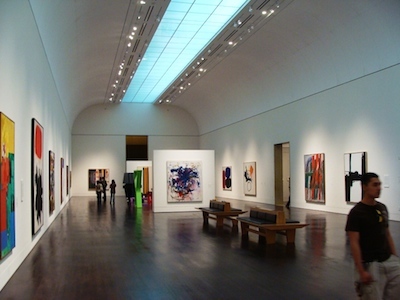
Michael Kaiser, chairman for the DeVos Institute of Arts Management, has discussed the difficulty for art establishments to survive in the changing world of arts. Kaiser stated, “I have never observed a time when so many of our organizations, large and small, are unsure how to move forward… It will take strong plans—for art-making and for revenue-generation—and even stronger plan implementation to survive, let alone thrive, in this century” (Kaiser). Unable to measure up to the competition of online art and entertainment, many institutions that were so crucial to the art experience in decades past are unwillingly facing extinction in the digital age.
A history of rejection
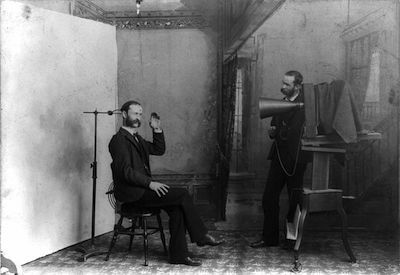
Although we must acknowledge the casualties of certain artistic traditions, changes and shifts in the world of art are certainly not unprecedented. In many instances, individuals in the past have resisted such changes at the time of their introduction. When photography was initially introduced in the early 19th century, it greatly divided the artists of the day. Many were skeptical regarding the legitimacy of photography in terms of art and expression, which led to a time of heated disagreements and controversial sentiments.
Photography also affected the livelihood of others who made a living in the arts. For example, a painted portrait became unnecessary, since it could be replaced with a detailed photograph in a fraction of the time. Painters were forced to adapt to the changing desires of clientele who requested their skills. As a result, the world of arts experienced a profound shift. While discussing the role of photography, Walter Benjamin stated that “earlier much futile thought had been devoted to the question of whether photography is an art. The primary question – whether the very invention of photography had not transformed the entire nature of art – was not raised” (Benjamin).
Oftentimes the shifts in artistic customs are seen as attacks on tradition, when in reality such shifts are sculpting and developing the art of the future. It becomes the role of society to determine how these disruptions are providing new opportunities that were previously hindered in the name of tradition. According to Paul Valéry, “we must expect great innovations to transform the entire technique of the arts, thereby affecting artistic invention itself and perhaps even bringing about an amazing change in our very notion of art” (Valéry).
After the dust settles
Current opportunities for artistic creation and distribution have undoubtedly emerged as a result of these artistic shifts. We no longer live in a world where a one-size-fits-all mentality prevails. All types of art can be accessed, examined, and shared. In the musical arts, we see the limits of the radio and CD’s being replaced with instant access and streaming of any variety of songs. Visual arts have seen painters and photographers who are trained, scrutinized, and popularized through media. Technology has even led to the rise of talented film-makers and videographers who otherwise would be denied an audience for their productions. Due to the advances of technology, art can be enjoyed by a wider and more diverse audience than ever before.
Digital improvements have also led to the rise of amateur artists. These artists are not motivated by nor rewarded with economic gain, but with personal fulfillment that comes through expression. With the benefit of technology, anyone can become an artist, with the results being universally available. As a result, artists today are able to create according to their own sensibilities, with confidence that in the world of the internet they will be able to find and market to others with similar tastes.
Embracing the Future
Art in our world is changing. It has led to the disruption of traditional experiences, but it has also resulted in growth and progression of art distribution and enjoyment. In our culture, do we tend to reject anything new if it does not meet the current standards of legitimacy? Are we quick to deny ourselves the opportunity to experience quality art simple because it breaks out of the status quo in terms of production or distribution? Just like in previous centuries, the changing art of the day may be controversial. However, as we strive to define the legitimacy of new arts, let us remember our history. Technology is now defining our culture, and as a result plays a vital role in the growth and development of the arts we embrace and enjoy. With the progression of technology, we may be abandoning certain traditions of the past, but to the benefit of all the technological wonders yet to be discovered in the art of the future.
Works Cited
Benjamin, Walter. “The Work of Art in the Age of Mechanical Reproduction.” Schocken/Random House, ed. 1936.
Kaiser, Michael. “A Difficult Century.” Huffington Post, Web. 06/06/2015.
Valéry, Paul. Piéces sur L’art, Le Conquete de l’ubiquite. 1931.
Image Credits
- “Blanton Museum Art (12)” by Zereshk - Own work. Licensed under CC BY 3.0 via Wikimedia Commons - http://commons.wikimedia.org/wiki/File:Blanton_Museum_Art(12).JPG#/ media/File:Blanton_Museum_Art(12).JPG
- “Photographer-studio-1893” by A.H. Wheeler, photographer, Berlin, Wis. - Licensed under Public Domain via Wikimedia Commons - https://commons.wikimedia.org/wiki/File:Photographer-studio-1893.jpg#/ media/File:Photographer-studio-1893.jpg
.JPG#/media/File:Blanton_Museum_Art_(12).JPG)

About the Author

Ben Snow
Ben Snow is currently studying Exercise Science at Brigham Young University. He will graduate in August 2015 and plans to pursue a career in Public Health. Ben was raised in the Pacific Northwest, lives in Utah, and loves all things related to sports and the outdoors. He also enjoys reading, traveling, and spending time with his family.