
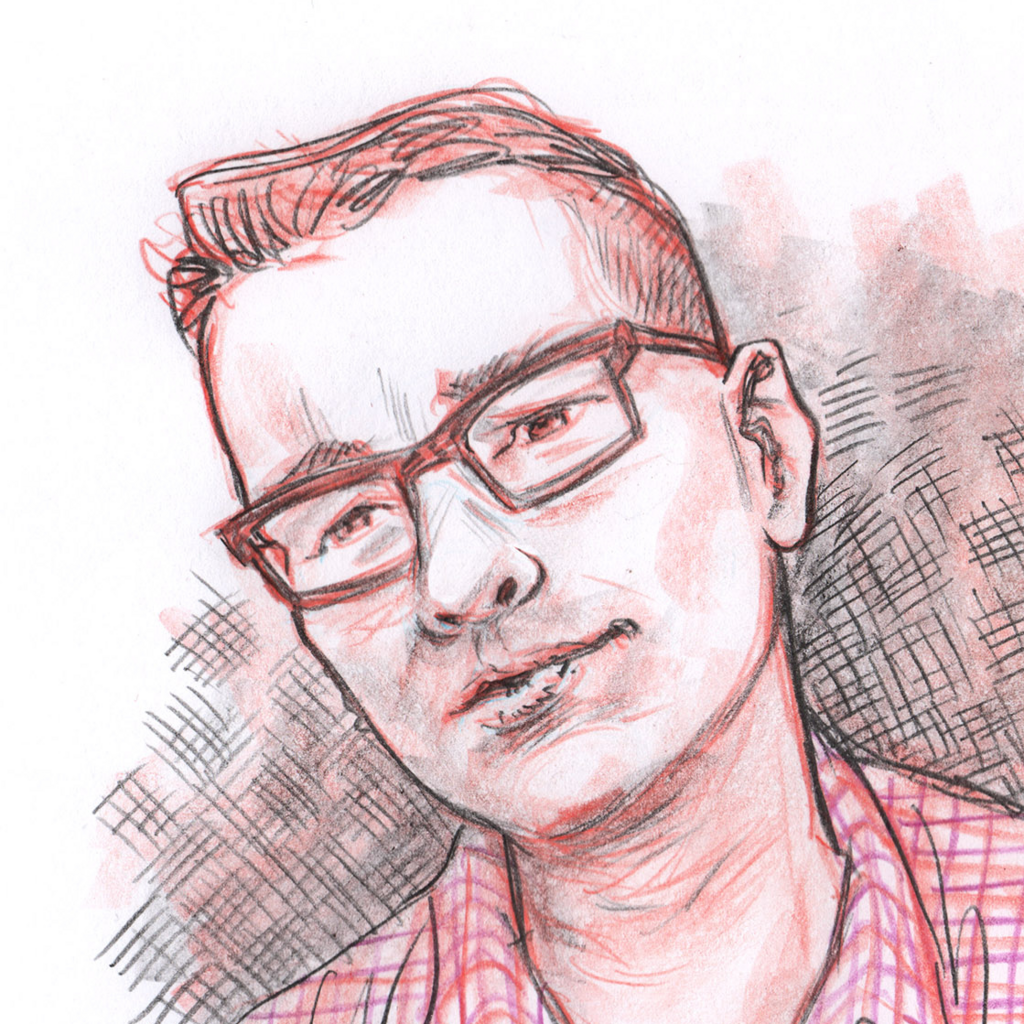
Jana Boruta, Co-Author of Digital-First Events
A Leanpub Frontmatter Podcast Interview with Jana Boruta, Co-Author of Digital-First Events: Your Step-by-Step Guide to Building Engaging Community Experiences
The book by Jana Boruta on Leanpub

In this interview, Jana talks about her background and career, the nature and importance of community building and organizing events, the huge impact of the pandemic on her team's work and how they pivoted to digital events, her book, and at the end, they talk a little bit about her experience as a self-published author.

Jana Boruta is co-author of the Leanpub book Digital-First Events: Your Step-by-Step Guide to Building Engaging Community Experiences. In this interview, Leanpub co-founder Len Epp talks with Jana about her background and career, the nature and importance of community building and organizing events, the huge impact of the pandemic on her team's work and how they pivoted to digital events, her book, and at the end, they talk a little bit about her experience as a self-published author.
This interview was recorded on Aproil 16, 2021.
The full audio for the interview is here: https://s3.amazonaws.com/leanpub_podcasts/FM177-Jana-Boruta-2021-04-16.mp3. You can subscribe to the Frontmatter podcast in iTunes here https://itunes.apple.com/ca/podcast/leanpub-podcast/id517117137 or add the podcast URL directly here: https://itunes.apple.com/ca/podcast/leanpub-podcast/id517117137.
This interview has been edited for conciseness and clarity.
Transcript

Len: Hi I'm Len Epp from Leanpub, and in this episode of the Frontmatter podcast I'll be interviewing Jana Boruta.
Based in New York City, Jana leads events and experiential marketing at HashiCorp, and she is a co-creator of EpicConf, a virtual events series for marketers and founders.
You can follow her on Twitter @janaboruta and check out her website at janaboruta.com, and read her blog at janaboruta.medium.com.
Along with her colleague Joep Piscaer, Jana is co-author of the book Digital-First Events: Your Step-by-Step Guide to Building Engaging Community Experiences.
In the book Jana and Joep describe their journey in 2020 from the shock of shutdowns in March, pivoting from organizing large-scale physical in-person events to creating exclusively digital events, and working their way to seeing a brighter future for organizing events by the end of the year.
In this interview, we’re going to talk about Jana's background and career, professional interests, her book, and at the end we'll talk about her experience using Leanpub to self-publish his book.
So, thank you Jana for being on the Leanpub Frontmatter Podcast.
Jana: Oh, it's such a pleasure.
Len: I always like to start these interviews by asking people for their origin story. So, I was wondering if you could talk a little bit about where you grew up, and your path to a career in organizing events and experiential marketing?
Jana: Yeah, I'd love to. I grew up in California, but my family's also from Czech Republic, so I split my time between Czech Republic - growing up in a little small town called Slaný, and then growing up in Northern California.
I went to college and graduated college in 2008, during the worst part of the recession. It's so interesting, because - millennials, we've been through now - I think, four recessions. There was one in like 1989. Then you had like the dotcom bust in 2000. The financial, the mortgage crisis in 2008. And then now, last year, right?
So it was interesting to graduate in 2008. You're like, "I studied marketing and finance, and I have all this college debt, what am I supposed to do?"
I was living in Colorado at the time, and I just could not find a job. I think so many people were in that situation. So I ended up moving home for a bit, and I ended up getting my first job working for a technology startup. I was doing customer support, just kind of low-level work. But it was really exposure into working in tech, working for fast-paced technology companies. And so that's kind of how I got my start in my career - I did sales, I did customer support.
But I was always like, "What am I good at?" I always knew, I really loved people. I was really organized. And you're like, "Well, how do you kind of create a career from that?"
So that's where I found community building, event management, design and experiences. I've done five small-scale startups. I'm specializing with working with developers and creating community for developer communities. And that's - I've known about Leanpub for years, because everyone - I worked in the Ruby on Rails space. But now I've been at HashiCorp for the last six years. Hired, again - when we were 10 people. We're now 1,400 employees. Hundreds of thousands of members in our community. And here I am now.
Len: Thank you very much for sharing that. It's so interesting to hear the way you describe that experience of growing up through multiple recessions. And in particular, I've interviewed a lot of people who sort of went through the dotcom bust in the 2000s, when they were at the beginning of their career, or mid-career, or something like that. But for a lot of millennials, they would have been still teenagers at that time. And so, to start out your sort of search for education and a career in the midst of troubling times like that -
Jana: Yeah.
Len: Is really difficult. And then to be just getting going around 2008 or so, and for that crash to come. At that time, I was working in investment banking in London. And we saw it coming a long - like no one really knew how devastating it was going to be, but like you could see the signs earlier.
Jana: Yeah, yeah.
Len: And there were a lot of people who were well-along in their careers, who were really dramatically affected by that moment as well. And then to be precisely in one of the sectors that would be most heavily impacted by it - organizing events - must have devastating.
Jana: Well, it's interesting. Growing up, my parents escaped communism. Growing up with parents that didn't speak English - when they came here, they had multiple jobs. And so my parents really early on taught me to be resilient, and to understand that life is really the ebbs and flows - and sometimes you're feasting, sometimes it's famine. And so, for me, seeing my parents struggle or build their careers or live their lives - really helped me.
Last year was another great example. I watched the events industry completely get destroyed. It's a multi-billion-dollar industry. My team and I, our whole job at HashiCorp right now, is to build large-scale in-person conferences. And we couldn't do that anymore. I was like, "Well, if my team and I can't do our jobs, what value do we bring HashiCorp. And so I think it was - oh my gosh, thinking back - how tough March was. And we're still in it. You can't process the trauma, until it's over. It's still going.
So for me, in March, I really had to be like, "Okay, I'm definitely feeling all the emotions." I was definitely depressed. I live in Manhattan - and actually, I wrote a blog post about it, where I was like, "The soundtrack of the city changed". The city that is so full of energy and buzzing and taxis honking and music and people - it was just eerie. It was really eerie and quiet. You just heard ambulances, and then helicopters. Right outside my window, I saw the city change.
And then I also - all of a sudden - we had events planned for four years. We had road maps, budgets, attendee growth plans - that all just had to be thrown out the window. I had to sit with that. I had to sit with the loss of these programs, and these things I had built. And then I was like, "Okay, I can either sit here and mourn the loss of something", or, "How do I push forward?" Right? "How do I help my team pivot? How do I save our jobs?" So, it was a lot of pressure that I had to figure out how to navigate.
Len: One of the experiences a lot of people in a lot of different professions and industries have had throughout this, is - what is the essence of what I do, really?
Jana: Yeah.
Len: Right? And there's a lot of what - I kind of, somewhat sarcastically - and I'm not talking about events, by the way - like, work theater.
Jana: Yeah.
Len: Like somehow being proud of how many hours you commute. Because it implies you're a harder worker, or something like that. I've seen a lot of things where people are like, "I really miss X, Y, Z," and all the things that have nothing to do with work. And then some way of backing out some justification of them. Like, "I really loved the water cooler moments." And it's like - my personal experience of that in office life, was that I hated all that stuff, and I never wanted anything to do with any of it. It's like, "Just let me do my work."
But a lot of people have had to do a lot of really hard thinking. And you guys - this was something I was saying before we started the interview, that I didn't understand at all, being so naive about big event planning - is that it doesn't happen on a few months' timeline, it happens on a few years’ timeline. And so you had nurtured the growth of multiple projects looking out over the course of years. And this is down to like the designing of the details in virtual environments - where the seating's going to be. Where this -
Jana: Yeah.
Len: Banner's going to be. What the experience - like probably closing your eyes and thinking through, what's the experience from walking in the door? What's the first thing I'm going to see on the way in? What's the last thing I'm going to see on the way out? And you just had to let all that go.
Jana: Yeah. It was really hard. But I - now, looking back, the things I learned from - like how to manage in a time of crisis. So, not only did we have to unwind all of the work we had done - that means negotiating with vendors, trying to negotiate down how much we owe, cancelling plans, cancelling contracts. And then while doing that, having to do a really hard pivot. So my team - I have a very set team, where everyone's focused on things. So it's like - you now have to unwind, you have to do a hard pivot, refocus your team - and then while learning how to build new programs from scratch.
So you're like, "Okay, I feel like I just got an MBA last year." Right? Trying to also make sure I save our jobs. Make sure that we learn - how do we continue bringing the company and our community value? How do we build new programs? And then also supporting my team as well. Like there's - someone on my team has children. And another person is dealing with a sick mom. And we're all distributed. My team - some of my team is in Amsterdam, DC, and Portland. So it's like, "Okay, how can I support my team navigate through this, while I am also like dealing with my own emotions?" And then, "How do I re-shift, and get us to build something from scratch again?"
Len: Actually, that's what I'm really curious about. Because amongst the many challenges you have already set out that you had to face all of a sudden, was your team already distributed? Were you working from home?
Jana: Yeah, that was actually the really nice thing. HashiCorp's been remote-first from the very beginning. So we've always been a distributed company. And that actually was the nice thing for us, where we already had processes in place for how we communicate, how we do project management, the tools we have in place that enable us to work effectively in a remote environment. That was the one thing that didn't have to change.
Len: That's really fascinating. Leanpub is distributed as well. And it's actually been one of the interesting things to watch, is - people who didn't know the stage that technology was at, and where kind of - I guess like, I don't know - workplace theory was at, with respect to remote work. A lot of people learned, "Hey, video calls work now."
Jana: Yeah. Or they could just be able to email.
Len: Yeah. And I've got a friend who's a surgeon, and it's all of a sudden - he's like - he experienced that thing that you read about probably, of like ten years of progress in ten months.
Jana: Yeah.
Len: Another friend of mine is a lawyer, and like now he doesn't go to the office anymore. And it's because they learned - his industry learned that they didn't need to be doing a lot of things the way they were doing them. And actually - just before we go on, though, so people who haven't heard of HashiCorp, might not know what it does - if you could just explain a little bit about what the company does, so people understand the context of the kinds of events that you're organizing.
Jana: So, HashiCorp - we have six open source projects. We started in open source, and then we have four enterprise versions of our products. We build infrastructure and security tools. So a lot of like sysadmins and developers use us. We've had millions of downloads of all of our tools. And so we have a really large and engaged community.
Len: And when you say "infrastructure and security," you're not talking about like pipes?
Jana: I'm talking about servers and the cloud.
Len: And so, well, that's really relevant, because the events and community engagement that you were organizing is for software developers and people like that. And actually now, I'm just putting together how important these events would be if the whole thing's been distributed from the very beginning. I didn't know that. And so, basically - a lot of the things that you do, is the glue that keeps this globally distributed team together. But also -
Jana: Yeah.
Len: Helps them grow and thrive. And so -
Jana: And my team's also responsible for our employee summit. So we also - not only are we helping build and grow the HashiCorp community, we also help build and grow the employee community.
Len: What do you mean by that?
Jana: So, every year, we do our employee summit. Even though we're distributed once a year, we bring all of our employees together for a couple of days.
Len: Oh wow, I see.
Jana: Yeah. And so this year I had to figure out how to do that virtually. Because the amount of connections that employees make, the amount of planning and road map work that they do when they come together for those couple of days - that was another thing that's like, "Oh now it has to happen virtually." So you're like, "How do you build connections amongst employees, but in a virtual setting?"
Len: And one thing I gathered too from the research that I did for this interview, is that a lot of what you're doing by organizing these events, is providing people with the opportunity to grow in their careers. By giving them - sort of a step-by-step path to maybe becoming a keynote speaker themselves someday.
Jana: Yeah.
Len: And so part of what you're doing is helping people expand their skill sets, and learn how to help other people, and help them grow too. And so you have to face that challenge.
Jana: That's the essence, yeah - that's the essence of community building.
And it's so funny, because I advise companies. And people are like, "Oh, I really need leads and leads." And I'm like, "But that's not what community building is". It's about giving back. It's about connecting people. It's about supporting people. It's about giving them opportunities to speak, or to write a blog post to get more exposure. Or to find a new job, or to meet a co-founder. So, there's a reason the events industry is worth what it is.
And this is actually - developer communities especially love going to conferences. The amount of connections that you make, and it's just - yeah, it's invaluable.
Len: Yeah, especially when you're talking about very sort of technical, sort of specialist things. The back and forth that can go on in a room of people is something that will be very difficult to recreate virtually.
Jana: And that's actually probably my favorite part about working with developer communities, especially in open source. I mean, this is the "why." This actually inspired me to even write a book.
I have found that community - it's all about supporting each other. This is why people contribute to open source projects for free. This is why people write books that they're publishing on Leanpub. And this is why people go to conferences, want to speak at conferences. It's all about knowledge, sharing and supporting each other, and teaching each other.
Len: One thing I've heard you talk about in a couple of podcast interviews, is ROIs on events. You've just mentioned the worth of the events business. And there's a certain person - maybe with a different MBA, who always asks, "What's the ROI?" As though that's a serious question. I think I'm probably sympathetic to your view on how important ROIs are for evaluating the worth of events. I was just wondering if you could talk a little bit about that?
Jana: I have so many thoughts. I've been really lucky at HashiCorp, where the founders have always deeply believed in - I mean, they started in open source. Like Mitchell - one of our founders - open sourced a project called Vagrant). He did it for free. He did it to help the community. So from very early on, in the way even HashiCorp got started, was them just speaking and being engaged with the community, and going to events, and sponsoring events.
So I've been really lucky that at least HashiCorp leadership understands the value of community building. And so I don't have to say, "Okay, I organized this one meet up," or, "We did this one conference," or, "We did this one webinar," and right away, "Here's the ROI". Community building is a set of programs and initiatives that you put in place. But it's a long game. I still think back to when we did our first HashiConf in 2015. Just 300 people in Portland. But the people that spoke or attended, what is it? Six years later, they're some of our largest customers. They're employees. They're open source contributors, they're speakers.
And so you're like, "How do I go back to that first HashiConf and all of that - and figure out the ROI of that, and attribute it? I think sometimes people miss that it's also this long game. That the things you're launching and the things you're doing will take years to have an effect.
Len: Which, I guess, points up even more the shock of last March, where you'd been thinking about long-term things for a long time already, and we're looking way out into the future - and then suddenly had to just completely change the -
Jana: It's my life.
Len: Nature of the game you were playing.
Jana: Yeah. Four years. I knew pretty much week-by-week, where I was going to be for like the next couple of years. We had venues booked, we had plans - and all of that just got scrapped. And it's - not only work wise, but also personally. I hope everyone learned something about themselves last year. I think for me, pre-pandemic, my word for me would be "oversubscribed". Where I was just - I keep sticking to that. I really love that word. Where I just, I was so - we were traveling, I was always on the road. Or then, when I would come back to New York, I would go to dinners with friends. I was always so busy. And I really love live music. And then it's weird where all of the things that fulfilled you, you can no longer do.
So all of a sudden - gosh, March and April were so brutal. Because I had to do a hard pivot. I had to learn how to navigate my team through crisis, while I was also having to re-learn into this, and settle into what this new world was. And I'm like, "What are the things that make me happy?" I had to really go inward and sit with that for a long time - and then find, I'm like, "Oh wow, I'm okay being at home". I really love to read and I love to do yoga. And I'm now just - it made me more intentional.
I now reach out to friends, and I check in with my family, and I have these standing weekly calls with friend groups. So it was so hard in some ways, but I also like learned so much - and just really shifted how I work. I don't think I would've had the mental capacity to write a book, when you're oversubscribe, how do you then have time for creative projects? I launched this series called EpicConf with some friends. And then I ended up writing a book that I never thought I would've, or could've.
Len: Thank you very much for sharing that. It's interesting, just yesterday I was reading something in the book publishing industry news, about how some publishers are saying, "Everybody stop with the submissions." Because so many more people have had so much more time to write books, that like - even compared to normal times, it's overwhelming publishers.
But that actually gives us a great opportunity to move onto the next segment, which we introduced in the podcast over a year ago now - about another long game. Which is, how has the pandemic affected life around you? So I was wondering - you live in Manhattan, you mentioned. I was just wondering if you could talk a little bit about what the journey's been like in your neighborhood?
Jana: I literally had to mute myself for a second as an ambulance drove by. It's hard. I live in the center of Manhattan in a neighborhood called the Lower East Side. And it's hard. The city was so lively, so many tourists and people. And it's just now starting to come back. But a lot of the businesses went under. Just on my street alone, every storefront has a "For Rent" sign. Or, walking around in the early pandemic. Like when the "Black Lives Matter" protests were happening. That was incredible to experience, to be part of those marches.
But it was also really scary. Because then at nighttime, I would see like 50 cop cars drive by with sirens. And you're like, "I am so afraid for the people that are out right now." Or, there was just a constant noise of helicopters. So all of a sudden - the city had just different energy, and the soundtrack changed. It was just like sirens, whether it was ambulances or helicopters or cop cars. It was a lot. It was a lot to experience, and I don't think I fully understand like the effect it had on me at -
Len: And are those shops around you with the "For Rent" signs, are those "For Rent" signs still out there now?
Jana: Yeah, yeah. You're a waiter, and you're just like, "What are all these people doing for work?" Right? Just the weight of all of it. You're like, "How do I help? How do I contribute? How do I support my community? How do I -?"
It's also interesting, because there was a moment where I was like, "Should I move back home?" My family lives in California. And at the start of the pandemic, we just didn't know. We didn't know how the virus, how it spread. We didn't know if we can get on airplanes. I was like, "What if something happens to my family? How do I get to them?"
It's so funny. My dad was like - my dad's amazing - he's like, "Jana, I will drive and pick you up". Like driving across the United States. He's like, "If you need it, I will drive and pick you up." But I was like, "That is love right there." So for a moment, I was like, "Okay, well - I should maybe move home." But then I was like, "But New York is my home." And that's why I actually tried to stay here through it all. Because I'm like, I'm still like supporting the businesses. I'm still trying to shop at the businesses. And I want to be a part of like helping the city rebuild.
Len: I really like the way you put that. The sort of uncertainty that we're still living with. What are these people, what are people doing for work? And it's -
Jana: Yeah.
Len: We could talk about this forever, probably. It is such a strange time in so many ways, with Black Lives Matter, and things like that. I mean, life is always a bit of a knife edge in The States. But it's been that way - I mean, I'm just watching from afar, times ten over the last year for a lot of different people - and particularly people who aren't privileged enough to work remote jobs, and things like that. It's very difficult. And it's just so strange to see the stock market higher than it's ever been, at the same time as what you see around you is everything going to hell, and what sense to make of that.
Jana: The weight of all that's really - I used a lot of the vendors for years. I've really loved building relationships. And I watched some of the vendors that I use go out of business. People that I'd been using since 2015, 2016. And we cancelled our contract, everyone else cancelled their contracts. So the weight of all of that, you're like, "How do I continue pushing forward?" When you're like, the weight of everything around you is a lot.
Len: Yeah, and that actually gives us a chance to segue back into the sort of main conversation, about your book and event planning and things like that.
So vendors - so this would be the people whose businesses are supplying swag.
Jana: Yeah.
Len: People who make the banners. People who set the stage.
Jana: Yeah.
Len: Things like that. And theyir business, I imagine, just collapsed.
Jana: Yeah. When you're delivering a tangible product, goods, service - and that all goes away - what do you do? I mean, there's this one vendor that we're using, that pivoted to doing production broadcasts and live streaming. So they used to do the in-person stuff, but then - yeah, so there's some people that were able to figure out how to pivot.
My team and I figured it out. But a lot of people couldn't. If you have a storefront that sells goods, and no one's walking down the street, how do you pivot? So, a lot of industries have been disrupted. A lot of like - that you were talking about, when people are adopting remote work. I think the pandemic definitely accelerated a lot of trends. But it also significantly changed a lot of industries as well.
Len: Yeah, and there's certain things where the fallout is still to be experienced, particularly with city centers, for example. I mean, New York is an example that the whole world is watching.
Jana: Yeah, what's going to happen to all of those office buildings. I mean, some companies are like, "Yeah, time to come back." But there's some that realized, like, "Oh, do we need this expensive office?" And then, Flatiron or - yeah, and Times Square. When you have no tourists, what happened to all those businesses?
I felt like I was living in Will Smith's movie I Am Legend. I was riding a city bike down middle main streets. No cars, no people. One of the busiest cities in the world, to see just empty. It's - yeah.
Len: And it's so hard to stay - for me, to stay focused, because I'm not an expert in your industry. And it's got so many dimensions to it. But I guess one high level question I wanted to ask you, is - do you think large-scale, in-person conferences are going to come back?
Jana: This is my theory. And sorry if you can hear ambulances. There's something going on today.
Len: Oh that's fine.
Jana: Hello New York. Can you hear that?
Len: Yeah, it's okay - it's part of the charm of podcasts.
Jana: Okay.
Len: Having a little bit of stuff like that.
Jana: So, large scale. This is my theory. I think we discovered the impact and accessibility that a virtual event has. So last year, our programs - we were supposed to have 6,000-8,000 people at our large-scale conferences around the world. Instead, we did two virtual conferences that had 25,000 attendees. And from 100 different countries. So all of a sudden, this conference that like - if your employer doesn't pay for it, or - it's expensive to go to a conference. The ticket is expensive. Flights, hotel, food. Leaving your family for that many days.
So we definitely learned that there's a really big benefit of virtual. It makes them more accessible. You reach a larger audience. So I don't think that's going to go away. I personally don't - I'm not going to do large-scale. The pandemic isn't over. The complexity of trying to organize an in-person event during the pandemic - even next year. COVID - just because the US is figuring out vaccine roll-out, you also have people that don't want the vaccine. And then look at what's happening in Europe. They paused AstraZeneca. They don't have enough supplies for all of the countries in the EU.
So I just - we're in this for a couple more years. And when you try to do large-scale, like a 10,000 or more person event - you book those venues years in advance. And you're like, "Can I take that risk, and can I safely bring that many people together?" Right?
So for example - I'm thinking about, what are the different COVID protocols you need to have in place to safely bring people together? Do you need to do rapid testing? Do you need to have emergency healthcare professionals onsite? What's the sanitation measures? Do you have to do social distancing.?
So we'll always do these floor plans. And I'm like, "Well, do you have to book larger spaces?" Because now you have to figure out how to social-distance people. What happens if someone tests positive? What happens if someone gets sick at your conference? What are the legal -? So it's like - the things you have to think about are really - and event planners are good. We are so good at the logistics. But it's complex.
Len: Yeah, including even the logistics of getting in and out of the building or an elevator. That's something I've thought about too. In particular, with the idea of returning to the office. And it's like, "Well, there's going to be a line around the block if you have to socially distance in any tall building, because of limited elevator space. So even things like just getting in and out of a building, would be really difficult to organize. And you could probably just do the math and figure out how many people you could actually have in, and then get in and out, and things like that. And it's just such an incredible challenge.
Jana: And we're not through this. There's new variants coming out. We don't know how long the vaccine - right? Is it going to be like, do I have to do booster shots every six months, or a year? I think there's just so much unknown, that I think trying to bring large-scale back - I just don't think large-scale conferences will come back for the next five years.
Len: And so your team - facing this - not only had to pivot, but did pivot. And you did manage to put on - you said, these very large events, like for 25,000 people worldwide. Things like that. I was wondering if you could talk a little bit about - I mean, you wrote a whole book about it. But one of the features I think you talked about, to just hone in on one - is that you realized that putting on live events like that, you're basically becoming TV producers.
Jana: Yeah. It's really cool. Because I always - I think a lot about like creating experiences. And so when you do an in-person event, you think a lot about the attendee experience. What they see, what they smell, what they taste. What they hear.
So, when someone walks in. You have registration, with people greeting you. You go get a cup of coffee. You say, "Hi," to a friend, with comfortable seating. I think a lot about the attendee experience.
And so for a virtual event, there's a couple of things. One, we really took a step back, and we were like, "What are our goals?" "What does our community really need?"
And what we found was, people really need education. People really need quality contacts. Again, there's new developers adopting HashiCorp tools. And so they need help - right? Adopting, learning how to use them, things like that. And then it's also, our community comes to our conferences for those genuine connections. So once we figured out - okay, these are the things, education and connections with each other.
We then were able to figure out - okay, let's design an experience based on that. And we took a way a lot of kind of - when you doing it in person, you have a large expo hall and you book a partner event. There's 20 events within one event happening. But you're like, "Well, for a virtual experience, we don't need all of that".
I think that's one. And then two, I think - being really empathetic to people's situation. So, not expecting that someone can sit at their desk for eight hours and listen to your conference. People have children at home. Their pets need to go outside. They have work meetings. I think you have to really understand that person's situation, and thendesign an experience.
So for us - our conference was two days, but just 3 hours a day. And we made the talks 20 minutes, because we also found that on average, people have 15 to 20 minute attention span. People wouldn't sit there for an hour and watch a talk. So, either they'd maybe take their dog out, or they need to help their child with a Zoom class. So we really tried to like take a step back, and it's like, "Okay, why do they come to our conference?" And then also understanding people's current situation.
In the past people would just travel. They would just be fully immersed in those couple of days. But now, work isn't really giving them time off to attend a conference. And also, if you have a child at home, they have needs. They're not in school, things like that. So I think the reason we were successful with our virtual conferences is, we really took a step back, and thought about why our community comes, and then design an experience that way. And also - being empathetic to people's situations.
Len: And one feature of designing a virtual event, I gather, is that it's a minute-to-minute thing.
Jana: Second-to-second, yeah.
Len: Yeah, in the same way that you might've mapped out - and I'm just sort of guessing here, right - but in the same way that you would've had to mentally have a map of the space and know where everything is - you need to do that temporally for a minute-to-minute event, for a streaming event. Because, like - for example - I think we've all had this experience at conferences. The music goes on and there's nobody on the stage. And that's fine, you look at your phone. But if you're sitting or standing in front of your screen - I mean, let's say it's "Saturday Night Live" - and there's just an empty stage. You'd be like looking at your watch, like, "What's wrong?"
You might sit in a conference room, and then have a chat with somebody. But if you're just in a room looking at a screen, there's something very different about gaps in time.
So, you design very interesting things, like "moments of play".
Jana: Oh yeah.
Len: As you call them, things like that. I think one example I may have come across is - while people are waiting for everything to get going, you might show a cool video of how to make a great pourover a cup of coffee, or something like that.
Jana: Yeah. So, again - it's designing - we always go back to that. So, a broadcast piece. There's a couple of different components of a virtual event. There's the broadcast production piece, and then there's also the platform. The platform is your virtual event venue. And for the broadcast, the run of show - and second-by-second is so important. Because you're watching a TV show, and then it goes blank for a couple of minutes, you're like, "Oh what happened?"
For us, we have pretty much a minute-by-minute, second run of show. Like, "Okay, now this lower third comes on to introduce the speaker. And then this song comes on. And then we play this talk. And now the MC has come on."
Last year, we learned how to be TV broadcasters. We were running HashiCorp TV, which was really cool. So there's that.
And then, again - for us, we're like, "Okay, we don't have people's attention span constantly". It's not like for three hours, someone sitting there.
So we would have 20 minute talks, condensed, high-content. And then we would have more passive content, which I refer to as "moments of play". So they would be like live coding or - yeah, how to make the perfect pourover. Or just a really cool visual - visual and music. It would be passive.
So if you're like, "Okay, I'm going to go take my dog out," or, "I'm going to go make myself a cup of coffee" wwe call these "moments of play." And these were just more passive, that you didn't have to like be fully engaged in the conference.
Len: And one thing that physical events have is green rooms, where you get people cued up, and each person might have some assistant who's there to say, "Hey, you're going to go on in half an hour." You try and calm them down. You try and give them a little bit of instruction. "There's going to be this to your left, and this to your right. You're going to want to sit down in the red chair, not the blue chair" Things like that.
And so you actually have to - in addition to thinking about it from the perspective of the attendee, you also have to think about running a digital event from the perspective of the, as it were, performers.
Jana: Yeah.
Len: The people who are going to be giving the talks. And so, does that mean - like, just to get into the details of it - does that mean that each person has an assistant in like Zoom breakout room, and it's like, "Okay, you're going on in five minutes."
Jana: Yeah. It was interesting, because normally, right, when you do a TV show, you have a production crew, and your speakers and your host - and everyone's in the same studio. But we had to figure out how to create a TV show where we're all remote. Which is nutty.
So a couple of different things. We would send all the speaker's equipment. Mics and lighting and - it's so crazy, because we would also do environmental checks. We did this for all speakers, where we would jump on a call, and we would walk around their apartment or their house, and help them find a space that had the right lighting, that wasn't too-- Right? So that's one.
For our founders and our CEO, I had art made, or I would send plants or something. It's crazy. Because now you're like - through Zoom, "Okay, what's your backdrop?" Normally you could control that on a studio, on a stage. But for these speakers, we had to use their homes as the studio, which is really funny.
And two, speaking virtually is tough. You don't have feedback from the audience. Where do you look? So it took a lot of coaching as well, with the speakers, of like, how to still be engaging. Where to look and how to give a great talk, when you don't have the audience reacting to what you're saying.
Len: Thank you very much for sharing that. Sorry I was laughing, but a friend of mine - I don't know if you know, if you're familiar with "Rate My Room" the Twitter feed? Somebody -
Jana: No but I -
Len: Yeah, somebody has been basically - they'll take a screenshot of somebody doing an interview, and then they'll rate the room. A friend of mine ended up with like two out of ten or something like that. It looked like a hostage video. He was on a newscast or something like that. And his Australian uncle or someone said that it looked - I'm not going to do the accent, but, "It looks like an outdoor dunny."
Jana: Oh that's so - I need to follow, that's hilarious.
Len: Yeah, it's really funny. And I should mention - nobody's going to see it, because we don't show the video, but you've got a great room setup behind you with - uou'll laugh when you see it, because it's like - the Twitter person would be like, "10 out of 10. Plants, painting, stack of books." I've got the laziest thing in the world - which is a screen, just to hide everything. But - yeah, that must've been really -
Jana: And like, but do I look like an intellectual, do I look creative? It's like, "Here's my personality."
Len: It's actually really important. Because, as you say, people's attention spans work a certain way. And I can look on the shelf behind you and be like, "What's that?" while you're talking. And it's really important. So that must've been really challenging. So you had to send people lighting as well?
Jana: Yeah, lighting. Decor element. It's in our budget, it was a cool experience and cool thing to learn.
Len: It's just so interesting - the difference between setting things up for people, and getting people to set things up themselves.
Jana: Yeah, yeah.
Len: That must've itself been a huge learning curve.
Jana: And then also, the host. The MC's. They're probably the most important piece of a broadcast, because they are the ones that bring the energy and keep the flow. And so for them, right - you're like, "How do you train -?" Because there's two MCs. So you're like, "How do you train them to interact with each other virtually? Because they're not in the same space. How do you teach them?"
Because they would have an ear - so, we would be talking to them during the broadcast. It takes a really special set of skills set to be able to be an MC for a virtual conference. I actually ended up publishing a blog post of your different things that an MC skill set required, to be able to be a good MC.
Len: It's really interesting, in the world of people who do podcasts - which is everybody, of course - sending people audio equipment, in particular, is something that people - as soon as they've got the budget, they send every guest.
Jana: Oh yeah, yeah.
Len: Stuff like that. Because it's the regularity of it. You know the device that they're using now. And so you can help instruct them how to get it set up, and things like that.
Jana: And it makes a difference. You have a really phenomenal microphone, I have a Logitech camera. I have a light. I don't know why I don't have a good microphone. But, we're home. We're recording, we're speaking on Zoom. So having the right equipment's really important.
Len: Yeah, and do you -? Actually, I'm ashamed I don't know the answer to this. But do you have the events available to be watched again later om?
Jana: Yes. What you find with events, is - virtual events. It's not just a moment in time. It's something that can be consumed later on. So the way - we're a bit crazy in this way, building our own platform. I did research on a bunch of different platforms out there, and at the time it didn't really fit our needs. So we designed a platform that's like - oh hey, you can log in and create your profile. And we already had great 101 tutorials and content there. We did like some workshops. And then we did the conference. But then afterward. We also had the video on demand. We kept the platform open for a month. So it was like, "Either you join us live", which is great, "Or you can watch the content later".
Len: That's one of the things that I find so fascinating about digital events, and the ability to easily record things, including Zoom calls now. You can record a meeting - just a simple work meeting, and people can watch it later.
Jana: It's great.
Len: And then, that just reminds me of - one sort of refrain one hears, is, "When will things go back to normal?" And it's like, "Well, do you really want to go back to a world where if you missed a meeting, you couldn't see what happened?"
Jana: Yeah, yeah.
Len: Do we want to go back to a world where you have to go to an airport, wait for two hours, get on a flight and do all that - and miss your family and miss your dog or what have you - to attend an event that you could've watched a recording of?
Jana: Yeah. And that's why - well, we're never going to go back to normal. But I'm really curious how much this has changed human behavior.
Len: Me too.
Just before we move onto the next part of the interview, I wanted to ask you a hopefully fun question. But what's the funniest - and this is totally random - but like, what's the funniest live blooper you've had during run of show? Either for live or digital events that you can think of.
Jana: It was during our second virtual event. And - again - like I said, like a second-by-second run of show. We actually had a master control room. And it was during one of our founder's keynote - so, 80% of our content is pre-recorded. But we rethought what "live" meant. So our MC's are live. The Q&A's are live. The chat. The different community engagement features are live.
So it was during the keynote. And just for a split second, the MC somehow appeared on screen. He was just like drinking like a Gatorade or something. And then it went away. None of us can figure out how this happened. Our production company looked really into it. But then someone at work made a GIF of it, and now it's just become this really funny thing. And one of the MC's, he's hilarious. He looks like Aquaman. Has his long hair, he's just a great guy. But it was just such a - it was a really serious - I think because our founder was like about to announce a new product. And then all of a sudden, here's just Jake drinking some Gatorade onscreen. I think it's okay. But it was a funny experience that we still now have a GIF of.
Len: That's really great. I'm glad all he was doing was taking a drink, it's -
Jana: Yeah, yeah.
Len: When it comes to like new behaviors that we may all be learning, it's like - one of the old professional behaviors you learned was never, ever, ever send an email that you wouldn't want the whole world to see. And if you're in front of your camera and it's not covered - never ever, ever do anything ever that you wouldn't want recorded as a GIF being replayed over and over. Just be very careful.
Jana: Yeah.
Len: Well, thank you very much for that. And so, just moving onto the last part of the interview, where we talk about your book. What was the inspiration for the book? How did it come about? I mean, in the midst of all these other things that you were doing, you and Joep decided to do this project.
Jana: Yeah. I don't know how I got the energy last year. I think - writing a book is such an undertaking. And I think I was just - I had just finished our second program, and I sent Joep a text. I was like, "We should write a book." And he was like, "Okay." And it was just - I have these, I get really inspired in the morning. I go on these morning walks. I'm usually listening to a podcast, and I'm like in Manhattan looking up. And I was like, "We should publish, we should write about the work we did." So I texted Joep, because he's a phenomenal writer. He's written a lot of technical books before. And I've never written a book.
I actually say, "I'm not a good writer." Never in my life did I think I would write a book. My parents didn't speak English very well. I speak multiple languages. I never really became a great writer. So, having the support of someone that's written books before - because for me, I'm like - I always love bringing teams together. There's only so much one person can accomplish. But if you have the right team in place, it's so much better. So that's why I decided to work with Joep, and it was great having someone to like collaborate with, and keep you accountable.
Len: And co-authoring is its own particular challenge. How did you do it? Did one person write something, and the other one then -? Do you just split up, "I'll do chapter 1, you'll do chapter 2?" How did you organize that?
Jana: Yeah, that was great. We wrote up an outline. We already knew from the beginning, we want to talk about virtual events. And then the outline just started being a step-by-step guide. How to do branding, how to do speaker onboarding, community building - things like that.
And then, we took on chapters that we have more experience in. So I wrote the intro, or wrote the design, or I wrote the writing in - I took chapters that I had more experience with. But it ended up being about 50/50. It ended up being a really good split.
And so it's like, we would both do these writing - we would do these writing sprints, and then say, "Okay, I finished this chapter." And then he would go in and edit it, and make sure there was a unified tone of voice. And then he would finish a chapter, and I would actually remove a lot of it. Because he's a very lengthy writer, and I'm more just short and to the point. So we had this really good back-and-forth cadence. It felt like a really beautiful partnership.
Len: That's really great. People having offsetting instincts or habits, can actually be really good for teamwork as well. Like you're too short, you're too long, let's view each other's shortcomings with the other perspective.
Jana: Yeah. It was about - over three months, that we ended up writing the book. And it was tough. It was - again, you have life stuff, and family stuff, and work stuff. I'm obsessed with Cal Newport and anything he has to say. So he wrote a book - are you familiar with Cal Newport and his book Deep Work?
Len: Only through Ezra Klein interviews.
Jana: Okay, yeah. So I applied his methodology of deep work. I ended up - I would go and write at a coffee shop. I would only write as long as my laptop lasted, which was three and a half hours. I would close Slack, I wouldn't have my phone on me. I wouldn't have iMessage. All I would do is just write. I tried to remove any - sometimes it would just be editing something. And sometimes it would just be getting everything out of my brain, and applying this deep work methodology really, really helped.
Because he talks a lot about how in today's world, we're so distracted. Obviously, like email - and you get this ping. And so you get this, like - okay, so I'm writing, I'm doing this research project, or I'm writing my book. And then all of a sudden, I check email. And then you completely get yourself out of the zone and you have to - what he calls, is like "cognitive dissonance" - well now you're trying to get back to it. But you're like, well, you're still thinking about that email, and how to respond to that email, so -
Len: Yeah, that's really interesting. I've actually heard another - I interviewed someone else once who had the same thing. Which is like, "Laptop, away from all my other stuff, turn everything off. And go until it powers down." There's something I find just so interesting about that idea - that you're not thinking about the particular time. You're not looking at the clock. But you do still have an endpoint that you know is going to come, so you don't need to think about it.
Jana: So it was that. And then I also - because I think - your laptop also reminds you of work. And I was like, "I don't want this writing experience to feel like work." So actually, what I did, is I had a post - What are these? Like 3 x 5, little cards. Just for a couple of days, I wrote all these postcards out. Each chapter. And then on it, I was like, "These are the different points I want". So for a moment, I took myself out of the laptop, and just made it this more meditative, creative thing. Of like, "Okay, what do I want for each chapter?" That also helped me move the different chapters around, as well. So that was another little thing that worked well for me.
Len: I'm personally a big outliner. I like to have everything thought through in advance, usually when I write. And it's not like some people think, where it's like, "Well, now I'm just sort of banging out a script," or something like that, once I've got the outline. You still change it, but - aome people just like to dive in, and other people like to know where they're going, and different styles.
On Leanpub, you used our Bring Your Own Book writing mode, which is the one where you actually create your own ebook files yourself, you don't use one of Leanpub's writing flows. This is a very popular writing mode, ecause it lets authors use whatever tools they like to create their book files. I was wondering if you could talk about what you and Joep chose to create your - I believe you've got EPUB and PDF files?
Jana: Yeah. It's so funny. Because I really thought writing the book would be the biggest challenge, and the hardest undertaking. But really - and which I should've known, because I'm a marketer - the marketing and distribution and promotion and messaging and design. And you're like, "Let's write a book." You're like, "Okay." And then, that should be the hard part.
Then all of a sudden, we have this book. But we're like, "What should we title it? Wait, how are we going to distribute it? Who's going to design it?" I'm like, "If we are a team that talks about experiences in design, we have to like think about that as well." I think that was the most surprising, and learning, for me as well. "Oh, how do I now message and market and design this thing?"
Len: Yeah, that's one of the real big challenges. And it's - in a way, I think it's like - it's good to not know about them while you're writing. So you don't get distracted -
Jana: You're right. Because, yeah, it's like, "Oh, okay, well, what's the name of it? And then, do we do a website, what's the URL?" Right? How do you message this thing. Because we knew our network, our friends, or friends of friends, or at HashiCorp, they would buy it. But once you get out of your network, it's like, "Well who are we and what, why should someone buy this book?"
Len: And did you write in Word and then output the PDF that way, or -?
Jana: Yeah. So for the design of it, I ended up hiring a designer.
I ended up hiring a designer who specializes in print. She's done book designs before, but I think - it was so interesting working with her. Because designing for EPUB is extremely challenging. It was crazy. The amount of different formats. And for Kindle, you can't set the font. Because Kindle moves it around based on what fonts people are choosing. Or there's also like - if someone is dyslexic, they have a certain font that they use. She would be designing it, and then watch it break on these different ereaders. So she was like, "This was definitely a learning experience for me." But, again - she's a good friend of mine, but it's also like, "Let's write a book." And then you're like, "Oh, I have to buy a domain name. Oh, I have to figure out distribution. Oh, I have to pay someone to design it."
We haven't done a physical book, because, again, you're like, "I'm doing this as a side project." You don't realize all the different costs associated to it as well, or having to - if you do a printed book, the IB-- IBAN number that you have to purchase every year.
Len: ISBN.
Jana: ISBN. But it's like these things - you're like, "Let's write a book." And you're like, "I didn't know all these things."
Len: Yeah, no it's - it can be as simple as taking it easy on all the formatting, or as hard as taking it very seriously. Which - obviously, looks matter, and being accessible and things like that are really important. It's funny. I mean, book design is a whole podcast unto itself, but I really like that you brought up some of the interesting challenges of ebook design. Because people can view them on different readers - it's empowering from one perspective, to be able to choose your font. From the book designer's perspective, that's just like, "Well, you just blew up everything I've trained to do".
Because, if someone can control the font, they're in control of the - quote unquote, "design." And so, yeah - it's incredibly challenging. And then, of course, print brings all its own costs, and things like that as well.
But thank you very much for sharing that. We leave this part to the end, for the sort of people who are interested in writing processes, can listen to it. But it's really great to hear people tell that story, because there will be people listening who are just at the beginning, or just at the end of their own process, and hearing other people talk about what they went through, can be really helpful.
Jana: It's so funny. Because our designer, she's like, "Here are our different like layouts." Right? "How we do like the chapter titles." We have like little nuggets. Little things. So she's like, "These are how these look, and this is how we pick the font." And then it just all got thrown out the window, once you're like, "Okay, now I'm designing for each." Okay, all these formats and things we picked. Or even fonts, you're like, "Just make it look good, please." Yeah, what to keep in mind.
Len: Yeah, definitely. The last question I always ask on the podcast, if the guest is a Leanpub author, is - if there was one magical feature we could build for you, or one really annoying problem we could fix for you - is there anything you can think of that you would ask us to do?
Jana: Yeah. I mean, it's such a great platform. It makes publishing books accessible. But, where would I find a publisher? Wo would even be interested in publishing something that's so niche, and won't ever be a New York Times bestselling book? So I'm super grateful that like Leanpub exists for us. I think we ended up spending about $1,000 to $1,500, from the design and the domain and different things. We ended up hiring a video producer to create a video, a little promo video.
But I really loved that Leanpub just made it so easy for us to upload. I also love that you could do a co-author. I didn't see that available anywhere else. So it's really easy for us to just like - there's a co-author, and we can split the net profits evenly, and it goes into PayPal. There are just so many things that were just really easy.
I also really love, I probably didn't need to do a website. The way the page is designed, is so nice. Like all of the information that we have on our website, actually lives on our like Leanpub page. So I think, if I would do it all over again, I would've just used Leanpub entirely, and not had my own website.
So I have no feedback. I was really happy with it. It was really easy. It's so funny, because I was speaking at an event yesterday and I was like, "Oh, I should like promote my book." And so while I was speaking there - I quickly went to Leanpub, made a coupon, had a link and then posted it in there. It was just like two seconds. And then ten people bought my book at a discounted rate. So I love - yeah, I really love it.
Len: Okay, well, thank you very much for that. If you ever have a complaint, or a feature that you think of, please just send me an email and let me know. But yeah, thank you very much for that. That's - some of the things that we take for granted, are actually not really available on other self-publishing platforms, like easily adding a co-author, and doing an automatic royalty split with them.
Jana: That was huge.
Len: Making coupons. Things like that are really good for promoting. So, for anyone listening, those ways of promoting things and those ways of working with other people - and automating them, really, really help. Because like you said, there's so many challenges beyond writing. And that's one of our goals, is to try and do as much as we can to take that work away - to take the obligation to do kinds of certain kinds of work away from you, so you can focus on writing and promoting in ways that you're comfortable with, or enjoy promoting your work.
Jana: Yeah, you really accomplished that. The publishing piece was - you made it the easiest piece of the whole writing-a-book journey.
tohere
Len: Well, that's great to hear. So the book - for those listening - in case you've forgotten in the last hour, is, Digital-First Events: Your Step-by-Step Guide to Building Engaging Community Experiences. It's a very good book. It's empathetic to the challenge that you face, particularly in this time, if you have to pivot from event planning from physical to digital. And I wanted to say that it's really good on the details. If this is a challenge that you're facing, this book really will help you, and was designed specifically for that purpose.
So, in any case, thank you Jana, very much for sharing your story, and for writing your book, and for using Leanpub as the platform to publish it.
Jana: Thank you so much for having me.
Len: And as always, thanks to you for listening to this episode of the Frontmatter podcast. If you like what you heard, please rate and review it wherever you found it, and if you'd like to be a Leanpub author, please visit our website at leanpub.com.