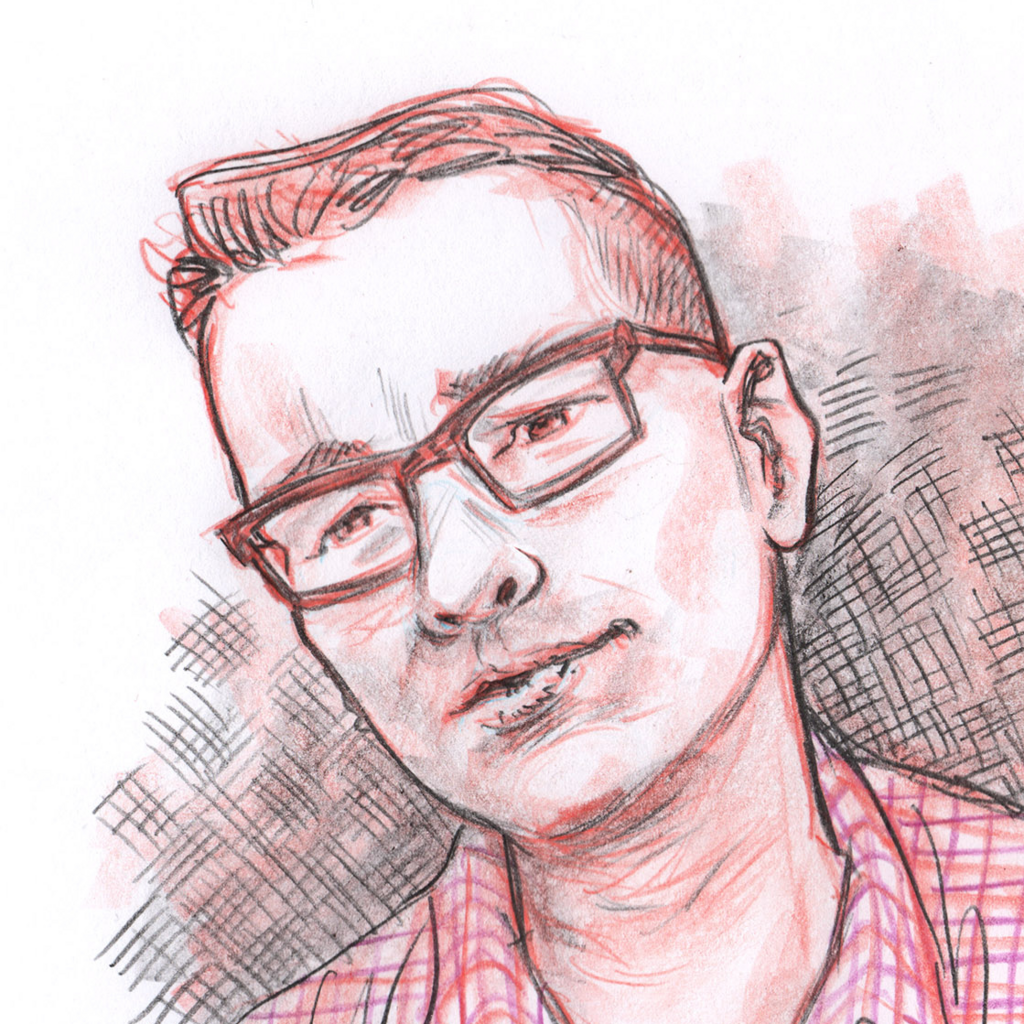
Allan Kelly, Author of Books to be written: A non-fiction author's how-to guide to writing, publishing & marketing you own books
A Leanpub Frontmatter Podcast Interview with Allan Kelly, Author of Books to be written: A non-fiction author's how-to guide to writing, publishing & marketing you own books
Books by Allan Kelly on Leanpub
Little Book of OKRs & KPIs
Little book of Workflow management
Come avere successo con gli OKR (2nd edition, Italian)
Succeeding with OKRs in Agile (2nd edition)
Books to be written
Succeeding with OKRs in Agile (French)
Succeeding with OKRs in Agile Extra
Continuous Digital
Project Myopia
A Little Book about Requirements and User Stories
Agile Reader
Xanpan appendix - Management and team
Xanpan
Allan Kelly - Allan is the author of the Leanpub book Books to be written: A non-fiction author’s how-to guide to writing, publishing & marketing you own books. In this interview, Allan talks about his background, his book, and at the end, they talk a little bit about his experience as a self-published author.

Allan Kelly is the author of the Leanpub book Books to be written: A non-fiction author’s how-to guide to writing, publishing & marketing you own books. In this interview, Leanpub co-founder Len Epp talks with Allan about his background, his book, and at the end, they talk a little bit about his experience as a self-published author.
This interview was recorded on February 2, 2023.
The full audio for the interview is here: https://s3.amazonaws.com/leanpub_podcasts/FM252-Allan-Kelly-2023-02-02.mp3. The Frontmatter podcast is available on our YouTube channel at https://www.youtube.com/leanpub, in Apple Podcasts here https://podcasts.apple.com/ca/podcast/frontmatter/id517117137 or with this direct link https://podcasts.apple.com/ca/podcast/frontmatter/id517117137, on Spotify here https://open.spotify.com/show/00DiOFL9aJPIx8c2ALxUdz, and almost everywhere people listen to podcasts.
This interview has been edited for conciseness and clarity.
Transcript
The transcript below is unedited output from OpenAI Whisper.
====
Hi, I’m Len Epp from Leanpub, and in this episode of the Front Matter podcast, I’ll be interviewing Alan Kelly. Based in the UK, Alan is an agile guide who helps software professionals enjoy more fulfilling and satisfying work by improving the way work is organized and requests are made. You can follow him on Twitter at AlanKellyNet, and that’s Alan with two Ls, and check out his website at AlanKelly.net. Alan is the author of several Leanpub books, including Continuous Digital, An Agile Alternative to Projects, Succeeding with OKRs in Agile, How to Create and Deliver Objective Key Results for Teams, and most recently, Books to Be Written, a nonfiction author’s how-to guide to writing, publishing, and marketing your own books. In Books to Be Written, Alan provides comprehensive guidance on how to self-publish a book using the latest and best digital tools available. In this interview, we’re going to talk about Alan’s background on career, professional interests, his books, and at the end, we’ll talk a little bit about his experience as a self-published author. So thank you very much, Alan, for being on the Front Matter podcast. Thank you for having me, Len. I always like to start these interviews by asking people for their origin story. So I was wondering if you could talk a little bit about where you grew up and how you found your way into the career you’ve made for yourself. So I’m older than I look, if you’ve got me in visual. I was one of those kids in the 1980s who had one of the early microcomputers. And I just took to computers and programming at the age of 12 or something like that. I just immersed myself in it. So much so that I ended up running the school’s computers, you know, the time teachers didn’t know how to do it. And at the age of 15, I started to earn money out of this thing. I started to write programs and send them into magazines and places. And I used to write stuff for the BBC. The BBC used to broadcast my stuff with television signals and old technology. So I really got into it then. And I just loved it. And I’ve stayed doing that now. My career became programming. And for the first 10 plus years of my career, I was a hardcore programmer. And then somewhere about, you know, the 10th millennium, I came out to California to do a dot com boom thing. I got those dot com boom game dot com bust. And a few years later, I was back in the UK. And if I can make the code do anything, the code wasn’t the problem for me anymore. It was, you know, the way we were being asked to do stuff, the way we’re being managed, the things we’re being asked to do. And so I kind of charted my way into this, this thing at a time called management. Only I’ve ended up being more of a coach, a mentor, and such. And that’s why I spent the second part of my career. And along the way, I started writing books. And yes, my first book was with an old fashioned publisher and each printed you I’ve got copies of them. You know, I did a couple of books with with a real publisher and I discovered lean pub. And now I make I live make a bit of money out of books. But most of my money comes from coaching, consulting training, it usually involves the word agile, but I’m not precious about that. But it’s just been like an evolution for me. That’s really interesting to hear on the that it started with a micro computer. And I was I’m curious about that. So we’ve we’ve sort of got like our podcast has become a bit of a time capsule when when the authors are sort of, you know, people in programming or who were at one time in programming. And what’s it was it? Did you ask for the computer? Or did a parent bring the computer into the home? My next door neighbors got a TRS 80. And I was fascinated by it. I just want to be I just want to be around this, this trash 80. You know, I wanted one. So we had a machine here in the UK called the ZX 81, which is similar to that 80 machine. So you know, I tested I got one. And I quickly outgrew that one. And like, my parents got me a BBC, I remember doing big evaluation should have an Apple show the BBC should have a Commodore should I have all the rest of it. But no, it was the micro went into the neighbor’s house, and I got the bug there. And you said you said the BBC was sort of publishing your work. Can you talk a little bit about that for a lot of people, I think they would love to have had that experience when they were a kid and get to all the sort of positive reinforcement and sort of momentum that would come from that. How did that how did that happen? What form did that take? Well, before the internet, you know, people would have something like modems, they’re really lucky, but there’s a whole bunch of experiments going on in different places to how do you, how do you communicate? And there’s this technology called teletext. And the BBC version called cfx. And I don’t know if you had it in North America, but you you could pull up a text page, you put in a number, and you know what number you put in, you got weather, or you’ve got news, or you’ve got the listings guides, or whatever, is a really very simple internet. Yeah. And the BBC worked out here that they could broadcast programs using the same technology. And the BBC at the time, we’re really trying to help the country adopt this new technology. The BBC decided it was good. So there’s a BBC branded computer. And so they started broadcasting a bit of TV picture you couldn’t see they broadcast programs. And so that they needed raw material. And they put out a message saying, if you write programs, we’ll pay for them. And so I started sending them in. And I get these checks by 10 post. So I never had a Saturday job. I used to sell them and they squirted them out. Most people couldn’t see them. If you knew where to look, you could get this text page, reasonable text page, which told you what was being broadcast this week. And my name would be there on TV. And when you say you sent them in, did you send them in on printed sheets of paper? Well, floppy disks. We’d reach floppy disks by that stage. So you pass up a five and a quarter inch disk. And I’d post it off to London, because I lived in Liverpool as a kid, post it into London, and they’d send a message back. The BBC loved everything I did. Some of the magazines didn’t love everything, but the BBC loved everything. They’d send me back a physical contract, which I’d sign, send it in, and this check would come back. It all revolved around five and a quarter inch floppy disks. And so you made your way to university and you studied computing, I believe. Well, yeah, I did actually computing and economics. I guess I had an inkling that way. And yeah, I could already do it. It was the easy stuff. I’d already passed all that. But I remember some nights in the lab till midnight there hacking away, trying to get stuff going. And I rolled out of that. I got a brilliant internship, before we even called them internships, with a company that was making handheld PCs, which is nothing special now. But in 1981, it was. Some people might remember the Atari portfolio. So the company that actually built that, it wasn’t Atari, Atari branded it. The company behind that, Quiggle Distributed Information Processing here in the UK, they built that first handheld PC. And they were building a successor, which was going to be sold by Sharp. And I managed to get myself hired as an intern there. And I was testing this new handheld PC. And like every tester, we want to automate it. And the only way to test this was to get down the, not even the API layer, the BIOS level. And I remember going into this bookshop and buying myself a copy of KNRC. And I taught myself C that summer, so I could write test harnesses for this handheld PC. The PC was a total flop, you know, it was just, it was just a few years behind where it needed to be. But oh, my God, it was the best job I ever had. Because, you know, we really felt as if you’re doing something unique. And did you have to move to do that job? I was lucky. By then, I was down south in the UK, because of university and things. And I could get into their offices quite easily. So I didn’t have to move for that. And then after I graduated, everything in the UK was London centric then. Okay, I’m actually that’s that just it’s a bit of a coincidence, basically. But I lived in London for a few years. And I lived in a bunch of different places. So what what neighborhood or neighborhoods did you live in when you were in London? Well, to start off with, I lived outside of London in a place called Slough. These I live in. I live in Ealing, on the west side, which most people pass through rather rapidly on the train these days. But I have a train stop there. Oh, that’s great. That’s great. And so when did you find yourself getting into writing? I guess like everyone, you know, I felt as I want to write a book. And yeah, I had a few ideas. And there’s an organization which your hardcore C and C plus plus readers will have heard of called the Association of C and C plus plus users, bit of a mouthful. Everyone calls it Accu, A-C-C-U. And yes, it includes Java and everything else, but the hardcore C plus plus. And it was a user group in the 1980s. Again, the internet was just getting going. And they still and they still today publish physical magazines. And so I became a member. And I was reading this stuff. And it was all really practitioner. And I started to think I can write this. So I started contributing my own articles. And the editor at the time, a guy called John Mills, he was really enthusiastic, and he welcomed what I had open, gave me some great ideas. And I really got into writing with them. And after that, I started to have ideas about a book. And my first idea was about build systems going through this phase in my career where build systems are everything you got, if you can get a proper build system, you can package it, and you can deliver it. And, you know, that would have been Dave Farley’s continuous delivery, but five years early, but I gave up on the idea. But I really got into writing and documenting what I knew. And then I went and did a master’s. And I finished master’s and I had this great big big thesis. I still want to leave it, I want to do more with it. And then I started at the same time, I started going to patterns conferences. And the patterns community is really great because they support writers, they support pattern authors. And I started going out to this conference in Germany, I wrote, I wrote a pattern in encapsulated context, if anyone’s ever come across it. And that community was great at supporting as a writer. And I learned so much about writing, I started writing patterns about the software business. But I had this thesis I’m still interested in. And publishers used to come to Europlot, the patterns conference, and I got talking to them. And we started talking about ideas one day in a bar. And like a whole bunch of other people at that conference, I ended up writing a book for them, John Wiley. And that was really a rewriting expansion on my thesis. But while I was doing that, I was churning out all these patterns about the business of software. And that became my second book. So the second book was already being written when I was writing the first book. And the second book, I can see it down there now, it came out twice as big as the first one. You know, it’s one of those things where, you know, that’s it, never again. I’ve written two books, I’m never doing this again. But I think I had the bug. And so you didn’t get in through like blogging or anything like that? It was just straight to books? I started blogging sometime, but I was already writing books, I was already doing stuff, I was already expressing myself. You know, I sometimes say, look, I’m from Liverpool, and everyone in Liverpool has a big mouth. If your North American readers don’t know, you know, Liverpoolians are famous for having their say. I think I got that bug, and being able to express myself, and share what I learned and share my views. Yeah, that’s where it comes from. So I have blogged, but the writing came before the blogging. And you eventually made this sort of move from, you know, sort of having jobs and bosses and things like that to being kind of independent. Did that happen around the time you started publishing? Was there any relationship between those two things? I think so, yes, I think partly it was a desire to have more time for writing. And partly, you know, my first book was was about Agile. And at the time, Agile was, you know, it was just its first launch takeoff phase. And I think, you know, the book and being independent fitted together, I had more credibility than most people in the market. So I had this opportunity in front of me. And by going down that path, I had more time to do the second book. And so that they became kind of mutually supporting, for better or worse, I miss sometimes being here in the thick of it with, you know, real product and everything else. And so eventually, you made your way into self publishing. And so I was wondering, and that this is relevant to your latest book. And I was wondering if you could talk a little bit about how that how that happened. So after the second book, you know, I took that vow, no more books, these things take because the second book was eight years end to end. Almost everything in the second book, I’ve been to a conference, you know, and so no more books, I’m never going there again. And but I was at a conference, and I started to hear about Leanpub and this idea that you could you could just write stuff and it would form I think you could use a book. I had some ideas, some papers floating around. And I just just just out of curiosity, as I started playing around with it. And, you know, I think the first thing I screwed was like mock down. And at first, it’s like, Oh, my God, this thing is so simple, what is going on here? But I quickly realized that for me, losing all that, what is the font? What’s the font size? What’s the style? Losing all that stuff is liberating. I don’t have to worry about that stuff. So I started to take to it from that point of view. And I could put my writing together, and I could formalize things, I could start to see the whole. And without really trying, my first Leanpub book, Zanpan, came just came about. It was really a whole bunch of ideas I had that I was I was trying to, it’s more for me than anything else trying to put these ideas in order and understand it, you know, the last thing I want to do is give the world another method. The world’s got enough methods. You know, but I started to say my brand of Agile is this Zanpan thing. So I best spell it out. X-A-N-P-A-N. So sounds a bit like Kanban, but the secret is it contains X and P. And yeah, getting those ideas together, I learned so much, and it made sense. And it was there, I put on Leanpub, I didn’t have any great expectations, and it feels like buying it. And when you start to see the money coming in, it gives you more motivation. I must make something of this. And the real problem with that book was saying, when will it be? I need to finish it. What is done? I need to draw a line under this because the temptation was animal. Yeah, that’s really great. We can talk a little bit more about that and how when money starts coming in, that’s a really great motivator to keep writing. I sometimes like to say, you know, money is the best form of feedback. When someone gives you money, yes, they’re giving you a few dollars. But what they’re also telling you is, what you’ve done is worth me giving up something else. I am giving up a pint of beer, a bottle of wine, a theatre ticket. They’re giving you that information. It’s valuable to them. Yeah, and particularly if they’re buying a book from you, they’re giving you time and attention as well, which is really motivating and can be very gratifying as well. Just before we go on to talk about your latest book, I wanted to ask you a little bit about the pandemic. So this is something that we’ve been talking about for years now, but particularly because a lot of Leanpub authors are people who are independent operators, you know, maybe sort of conference speakers, consultants, things like that. How did it affect you? So hold on a second. I’m really lucky. Don’t put this in the interview. I’m really lucky. I have my own office in the garden, but I have to heat it. It’s gone from being too cold to being too warm. Okay. One thing I would say, one thing I’ve learned when we sit, we only started doing video kind of recently, but one thing I’ve learned is when we do cuts, it’s kind of important to kind of like pause for a moment. So what I’ll do is I’ll just sort of like do three, two, one, and then please go ahead. Three, two, one, go. So the pandemic. So the pandemic for me started in a really funny way. Folks see the picture behind me here. This is the Agile on the Beach Conference here in the UK, perhaps the world’s greatest conference. And yes, we do have a beach party. The conference is in proper facilities, but we have a beach party and it’s a great success. I’m really still involved with it. One of the spin-offs of Agile on the Beach UK is Agile on the Beach New Zealand. And this was like the second or the third run and I really want to be supportive of it. And I had a brilliant 2019. My 2019 came to an end. I had plenty of money in the bank. I needed a bit of a break. The client had been really intensive. Agile on the Beach New Zealand was coming up. So I said, you know, I’m going to it. So I booked the plane tickets, all the rest of it. Agile on the Beach New Zealand is like the second, third week in March. So this thing in China is building and building. And it comes to the day I’m due to fly to New Zealand. And so I’m sitting in my kitchen with my wife and saying, I don’t really know if I should be going, but you know, the government will have told us not to go if this is really dangerous. And if I don’t go, I lose my money. You know, this is the perfect time for me to go and spend a week in New Zealand. So I fly off to New Zealand. The airport was already pretty sparse going out. I get to New Zealand. Two days after I get to New Zealand, they close the borders. We have the conference. I then I jetted down to give a lecture in Wellington and see some people and things. And then I’m flying back on like the Wednesday and the night before in the airport hotel is really weird. Wednesday morning, there’s something wrong with my, there’s something wrong with my, I can’t check in online. It’s weird. And I go to the airport Wednesday morning and oh my God, I’m there early, but already there’s, you know, panic is setting in. And I get to the checking queue and they haven’t got my booking. And I just got an e-ticket. It’s not as much of a ticket as an e-ticket, a real ticket. So I had to go and force my way into the airline office and demand I go on a flight. I get on New Zealand. I change planes in Hong Kong. I think I had the top deck of an A380 to myself coming into London. And I get into London. Two days later, we lock down. You know, so I just made it back by the skin of my teeth. And I’m like, okay, I was going to take a little break, but the world seems to have turned upside down. Okay. I’m just going to cut myself some slack. I can afford to go. Let’s see what happens. And I had these notes that I’ve been putting together and with my client, we’ve been working on OKRs. As I started to write up my notes, I had a couple of drafts. And so the first couple of months of the pandemic, I cut myself some slack and I was writing these notes up. And so you could say my pandemic project was the next book. And then as the pandemic started to play out and the work was happening online, I started to pick up a few small gigs and I picked up some bigger gigs. But by then, the guts of the book had been written and it was just like producing the book in the second half. But yeah, it was a weird experience. Thanks very much for sharing that. And we’ve had all kinds of adventure stories on the podcast. And that’s a truly, truly interesting one. I mean, being you know, sort of like the kind of adventure. And just before we go on, just one more thing before we go on to talk about your latest book, though, you said you were getting getting gigs during the pandemic, like good gigs. So what what does that mean? Like, were you like, you mean, presumably you were sort of like, did you have to go to coaching and sort of consulting remotely? It was all online, you know, and I am a really physical person. I’d much rather do stuff online. And yeah, I’d always kind of put off doing stuff online. So most of what I do is around the kind of coaching mentoring stuff. But we often kick off with some training issues. Training programs are a lot of my stuff is really physical. You know, I did a training session last week and people folding airplanes and blowing balloons. And so somebody I’ve known for a few years came in and said, Look, I really want to give my team some training. Can we do something and can we do it online? I thought, Okay, well, this is the online world. And, you know, I had to think long and hard about how I reposition my exercises. You know, and I discovered that in the same way as I could build a fold airplanes and blow balloons and roll dice in the real world. I can’t get them folding airplane online, but there are things I can do online. You know, I can get them playing minesweeper online. And if you know, Google has a dice rolling app, I can get them to roll dice online. And I can re engineer some of my training materials. So it worked online. And then we start a still bits of coaching start to come through. And a few months in those, those I was called in there was a project going on and that they want some more actual coaching and everything was everything was online. And it was really super annoying because this client’s offices, if I’d ever gone to the offices, they would have been the offices closest to my house. It’s just like a 10 minute bike ride that way. But at the time, everything was online. So I ended up doing coaching and training online. And it kind of worked. Yeah, it wouldn’t be my first choice. But now I’ve done it. I know when we need to, we can do it. Sometimes it’s right. And just Yeah, that though, that’s really great. And the last thing I should add, actually, just for those for those listening, who might not notice the kind of training and coaching that we’re talking about is programmers. Yes, software developers, software engineers, things like that. Programmers, learning to do things in what we call an actual fashion. I don’t do the code stuff. I do the workflow and the management and some. Yes, you know, yeah, but yeah, that’s sort of the sort of like, yeah, the way of the way of working rather than the sort of details of coding and things like that. Yeah. So anyway, so in addition to all of your your other books that you that you’ve written, you’ve now written a sort of book about books called books to be written. Yes. And I was wondering if you could talk a little bit about what the origin story is, is of that book and what it’s about and who it’s for. Steve Smith. Steve Smith, who has got three lean put books, build quality in continuous delivery for children and measuring continuous delivery. So he wasn’t alone. I found that when I talk to people, I mentioned I’ve written books that some people are really fascinated by it. Some people really want to know about this stuff. And some people pick my brains. And although Steve had done a couple of books as a co-author, when he came to do his third book, I talked to Steve regularly, I talked to him last night. And he reached out and he said, can I can I get a brain dump from you about writing books? And I think this was this was partway into the pandemic, the six month mark or something. And so we were on a zoom call for about an hour and I could see he was writing loads and loads of notes. Okay, so you need to make the images, you need to make the file size, you need to make the marketing, you know, I was just coming up with all this stuff. And he just kept saying, you gotta write a book, you gotta write a book. And in the months afterwards, from time to time, he would mention again, Alan, you need to write this down. I was like, no, no, I write books about managing software development. I write books about Agile, I write books about OKRs. I don’t write about writing books. But still, you know, people hear I write books. Somebody else I’ve known for years, David Dally, same story. He said to me, can I ask you advice on a book? And he sends me over this manuscript and he says, we’re trying to think about this part too. I’m like, no, David, you’ve written it. This is a book. You’ve got 30-40,000 words here. Just go to Leanpub, publish it and see if anyone likes it. And yeah, I always say to people, the great thing about self-publishing, particularly Leanpub, is you still own the copyright. You can still go to a publisher if you want to. And I’ve been approached by publishers who’ve seen I’m doing stuff on Leanpub. And they come and talk and one of them turned into one of my publisher books. But the thing is, you can start pushing stuff out there. You can start getting feedback, you can start earning revenue, and you still have the copyright. If you still want to go to a publisher, you can. So I had the same conversation with David as I had with Steve, although it was much more publish it and be damned. And David went through with it. And look at David’s book. David’s book is a Better Agile, it’s called. Fantastic book. My favorite introduction to Agile in the 21st century. So David did it as well. And then I was just, where was I? I think I was just at some local networking event, just chatting with some fellow small business people. And the same experience, someone said, give me a brain dump, give me a brain dump. And it just clicked after saying again, I am not writing a book, I am not writing a book. Yeah, beginning last year, I just sat down and the words just flowed. You know, by the time I stopped, I looked, it was like two months later, and already there’s like 40,000 words there. Yeah, that’s such a great story. I’m having sort of books pulled out of you that way. And then sort of like, but having to pull them out of other people sometimes as well, because, you know, people can sometimes be kind of, they’ll have so much to say, but they sort of sometimes need a bit of a push. And that’s one of the great things about sort of self-publishing, is that it can sort of like, it can sort of be very freeing, but you do sometimes have to get over a bit of a kind of hump, as it were. And it’s interesting that, so there’s lots of details we could talk about with respect to self-publishing. We won’t go over the whole book, everybody should buy it, if you’re interested in self-publishing a book. But that one thing you’ve mentioned already is formatting. The official kind of lean pub philosophy is formatting is very important when you’re done writing. For 99% of book projects, there is a certain type of book project where the formatting is obviously like, there’s a unity of form and content, there’s a sort of obviously like, there’s a unity of form and content going on. But for most writing projects, formatting, again, very important, ought to come at the end, don’t do it while you’re writing. One of the reasons we’re sort of adamant about it is because we are the type of people who obsess about the formatting while we’re writing. So we have like, we’re sort of like, it’s kind of like, you know, do as we say, not as we do kind of thing. But it sounds like that’s your opinion as well. Paul Edmondson Yeah, yeah. You’re probably more obsessed than me. I work with a copy editor, Steve. He’s a great guy. I just hire him when I’m done and he does a great copy of it. He would also love to do a full typesetting of my books. I’m kind of holding him back. And part of it is I’m holding him back because he did the typesetting for some of my books with Wiley. You know, probably not holding back is I had this problem today, I was looking at the book, you know, there is PDF, and then there’s EPUB, and they look different. And if you look at EPUB on the Apple viewer, it will look different to on the Amazon Kindle, which may look different on your iPad or your Kindle. And part of me just holds my hands up and gives up. I think I could get something perfectly formatted on the Kindle. And then you’d look at it in books, or someone look at it on an Android with a weird sized screen. So I try to just keep my formatting simple. I don’t want to get I want to look good. But I just try and not depend on any kind of complicated stuff. I want simple to the point. Yeah, well, that’s actually that’s a very important point to bring up about sort of digital publishing, right? Is that particularly with things like EPUB formats often, and Kindle, I mean, people which which is EPUB now used to be Mobi, but, you know, people can change the font on their own, they can change the size of the font on their own. They, as you say, they can have different screens, they could have it in, you know, dark mode, what have you. And so, you know, one thing about publishing in the digital age is, you know, which is like, you know, it’s 30 years now. But, you know, there are certain things where you kind of do live there, basically, there’s PDF, where you can have very strict control over formatting. But if you’re even if you’re doing that, you’re probably going to have other versions out there. You don’t want to be open to this is an important part of that process. Yes, you as a reader, you don’t want to read a PDF. A PDF is a pain to read, you know, the format you get on my old Kindle, and even my iPad, where you can turn the pages and resize them, which PDF keeps the formatting, which is good. But as a reader, I want bigger font, I want smaller font and PDF never quite works out. The other thing I’ll add to what we’ve just been saying is the publishers don’t get it right either. Yeah, I’ve worked with two different publishers. And they both for my money, made a hash of the digital versions of the book, they can do a print version, actually even debating debatable, because they often send it to the cheapest location possible. But the the ebook versions publishers come up with my experience aren’t any better than I can do myself with Limpop. Yeah, I could, I could talk about that for a long time. You know, there’s just to think of an analogy, you know, things have things things have finally turned a corner, it appears, but, you know, for years, car companies would come out with, you know, we’ve got an we’ve got an E on the on the sort of podcast description, but car companies would come up with come out with come out with shitty electric cars, and then be like, look, electric car technology sucks. And this has been the case with ebooks and traditional conventional publishers for a long time will be like, look, look, look, look how hard it is to make them and look how shitty they are when they come out. And it’s like, well, that’s because you you’re you’re deliberately being thick and doing it that way on purpose. The rest of the rest of us who know can see it right through you. And, you know, this, this, there’s, and there’s, like, the reason I bring up that analogy is like, people in the conventional car industry have so much invested in the skills that they’ve developed in the techniques and the traditions that go back centuries and things like that. And it’s sort of understandable to some extent that not everybody can has this kind of like, to put it in as loaded away as they would eventually talked about ebooks. Not everybody has the courage to just drop all of that and be clear eyed about what they’re there to do and move on. And but but but that’s changing in the in the sort of, you know, book book world as well, to some extent, a lot of that it’s the same, it’s the same way with electric vehicles, where it was just like, you were kind of like, forced there by the advantages that that technology just has. Yeah, for me, this is the, this is the real meaning of the word digital. You know, I think, for those who come from a technology background, when we hear the word digital, it’s almost like, why are you bothered to use that word? It’s irrelevant. And I realized three years ago that when people from outside the technology world use the word digital, what they mean is their world now looks like our world. Those of us from a technical world, those of us who are programmers, we’re used to like version control and things like that, we have to roll back and the machines do all the heavy lifting. And it’s slowly seeping out into other people’s world. And things like the way you can publish and distribute books, it’s turned upside down by the fact it becomes digital. But most people still haven’t worked out that that because it’s binary, it can do completely different things. And it’s slowly dawning on other people. A lot of it is because they can’t leave behind their past. They’re so used to doing it particular way. They’re so used to being particularly done that way that they don’t realize you can just leave it behind. It’s so interesting. Thanks for that. It’s so interesting to have we sort of date ourselves with the sort of preoccupations we address in order to object to, right? Because I think that, you know, for people, I mean, I’m older than I look too. And, you know, for people who are Gen Z, all of these these sort of preoccupations and things that we’re like, you have to get over the idea that like, you know, if you publish something first, that doesn’t mean a publisher won’t be interested in it. They’d be like, what are you talking about? Like, yeah, you put stuff out there. And then then then maybe it takes off and you find an audience. And then maybe some some company will will, you know, want to work with you. But the but the very idea of being afraid that, oh, if I publish my my content myself first, then some publisher won’t be interested in it is just a completely backwards logic to people who’ve grown up in a world where like, you know, just you’ve you’ve been able to like what you do is you put stuff out there, you take a picture of yourself, you write words down, you paint something and you take pictures of it, you put it online, what have you, you know, there’s there’s, so there’s a very general, I’m just saying there’s a generational element to all you know, what one of the chapters or the early chapters in this new book I’ve written is entitled What is a book? Because, you know, when we were growing up, Len, you know, a book was a physical thing with a few hundred pages printed. And now we’re used to reading, you know, lean put books on our Kindles and iPads. Is it any less of a book because I’ve got it on my Kindle compared to print? What is amazing about the book? Is it is it is a fact it’s 80,000 words? Well, you know, some books like 20,000 or 10,000. Is it that’s got an ISBN number? I can buy an ISBN number. Well, I think the idea of what is even a book is an open question. Yeah, this is I mean, this is something we could talk about for a long time as well. This this there was a there was a huge debate about this kind of thing in the early 90s. Around like, you know, hypertext and and and stuff like that. And when people started saying that, and stuff like that. And when people started sort of putting books online with like what, you know, there was talk about what’s the meaning of a link? You know, like, if I can, if I can, if I can publish a version of a TS Eliot poem and have a link from like, you know, some quotation to the act, the other text, you know, what does that make of those two texts that are now linked and things like that. But, you know, the just just to go just to talk about this for a moment, when it comes to the very interesting concept of like, what is a book? It reminds me of this sort of thing I have about the myth of incompatible talents, which is the idea that people might have that if you’re good at, if you’re good at math, you must be bad at art. But there’s the inverse, which is that if if you’re bad at math, that must mean you’re an artist. Right. And, and there’s, there’s a there’s a version of this of what is a book, a book is an item that makes me a thinker. Right. You know, and there’s a lot of people for whom like that’s, that’s what they give them a certain kind of status or reputation or sense of themselves. And to people I took to me to me to put sort of people who are genuinely into thinking about stuff, the idea that like a book is some kind of status object is just a kind of, you know, inversion of what of what they’re all about. But that actually is that that whole that that’s a really important part of the whole debate about what is a book because for a lot of people, it’s it’s not about reading. It’s not about writing. It’s not about learning. It’s not about experience anything. It’s about having a certain kind of identity. Yeah. And and for a lot of people that that that that was sort of like fundamentally fundamentally disrupted by digital digital books, because you know, there’s like, well, how do I how do I show it to people? How do I, you know, and then there’s the kind of people say, I really want to, you know, I’m like, I’m going to be very loaded in my my sort of opinionating here, but like, people who are like, I really need to have it in my hands. And it’s like, well, I mean, there’s there’s a great I think BBC documentary years ago about like, you know, people who didn’t have hands could finally read when they had screens. That’s the kind of thing that like really now I’m sort of working myself up here. But like, that really gets me going when people are like, I really love the smell. Well, what about people who can’t smell, you know, or like, you know, you know, I just I really, I really need to sort of like, you know, have have have a physical thing. And it’s like, well, what about people who can’t afford it? And now that now they can read all the books that have ever been written on like for free, especially if you’re willing to pirate, which we don’t recommend. But yeah, yeah. And to be and to be like, you know, precious about these externalities. Again, there’s this there’s a there’s a unity of form and content issue that we’ll just put aside. But like, you know, which is very important in lots of circumstances. But for most people, you just give me the words. Yeah. And if it’s if it’s an if it’s an if it’s a dot text file that they can open on a computer, they’re like, now I’ve got the Pickwick papers, you know, my local library didn’t have it. And I couldn’t afford to buy it. But now I’ve got it. Sorry for going on about my rant there. But you triggered me. But one thing once so just before, just before we maybe go on to the very last part of the interview where we talk about specifically about how you write and things like that. One thing you do write about is Amazon. And so I was wondering if you could talk a little bit about that. So let’s say you’re writing and you’ve got a finished manuscript and you want to get get where go where all the eyeballs are. Can you talk a little bit about what you have to say about Amazon? You know, as a as a as a citizen, as a socially conscious citizen, I have trouble with Amazon, you know, in the past, they weren’t very friendly to trade unions, you hear bad stories about some of their labor relations, you know, they’re pretty damn competitive. As a customer, they’re hard to beat, you know, find me someone else who has the range and delivery options. As an author, there is also there is also revenue for me. You know, I get I get Yeah, I get more money each month from Amazon than I spend on them. Yeah, I’m not living off my revenue set, but I’m getting more than a few beers. And you know, I’ve got rather mixed feelings about them. But in terms of writing and publishing, there’s there’s nowhere else you want to be but Amazon, you know, particularly in the ebook space, because you know, that their Kindle supply chain is brilliant. Yeah. And, you know, I still got a physical Kindle I use, you know, it’s a software and a way of getting stuff on there. You know, it’s just like so seamless, and they’re great promoting the books, you know, it’s the place to go. And, you know, it took my my concerns about Amazon meant I was a bit slow to go Amazon, go to Amazon, the first couple of books, you know, I was I was resting on there, well, people can get on Leanpub, and I make good decent money on Leanpub. Yeah. And it took a while for me to sink in that Leanpub may only be one or two clicks away. But it’s one or two clicks that most people won’t make. And once you once you’re in the Amazon ecosystem, and the Amazon algorithms are realizing that people buy my books by your books by Dave Farley’s books, and Amazon’s recommending them, you know, and Amazon is very good at picking up on what people buy. And, you know, they really, they really put a rocket up my mind sales. Yeah, I should make more of an effort on to get into Apple books and elsewhere. But I’m lazy. And yeah, I say, if Apple adds 10%, 10%, it’s not worth it. If Apple adds 20%, okay, maybe it’s worth it. I think in the last few weeks reading that I think I have been convinced to go to Kobo. But I think I also want to find an aggregator. And but simply, you know, having your book on Amazon makes one hell of a difference. So I put my personal worries to one side, as an author, it’s where you need to be. Yeah, thanks very much for sharing that. That’s, you know, one of the big debates in the self publishing blogosphere is, you know, should you put all your eggs in one basket or go wide? And the going wide argument is, well, yeah, the more the more places that your your books are published, you know, and and for sale, the more people you’ll find. The other argument is actually, but but when this is something you write about in your book, as well as that, like a lot, if you’re a self published author, you’re going to be marketing your book, basically, you’re going to you’re going to be the one drawing attention to your book. And actually, if you can point everybody to one place, particularly an algorithm driven place like Amazon, then, you know, like, if you can direct a big if suddenly a few hundred people are buying your book in one day on Amazon, and all of a sudden, boom, it’s like promoting your book on that day more, for example. I mean, once you’re on Amazon, because the algorithms feed back on themselves, you incentivize put all your sales through Amazon, because if you sell through Amazon, it will push your book up the rankings, if you’re pushed up the rankings, you’re more likely to sell another copy, you sell another copy, you’re more likely, you know, and the the the incentive to them to sell there and not put your sales through anywhere else is high. I feel a bit guilty, actually, that I don’t give them a link. Well, I mean, you know, I should, I should, we should probably address the the elephant in the room, as it were, which is that link up is a self publishing platform, you know, for writing and selling books. And so why are we talking about Amazon so much? And the reason is that, like, first of all, you know, link up is a way of writing books, we do have we do have a free we do we’re a free, we have a free me and business model. But we also have, like, advanced sort of features for people who want to pay for, you know, a monthly or annual or lifetime account. So actually, you can totally use lean pub to write and produce ebooks, and even print books, if you use our print ready PDF feature, which you then export to things like Amazon, and we can make money from from from your use of lean pub, and you know, keep making lean pub better, even if you never publish on on lean pub at all, we actually have something now I don’t know if you’ve seen it called lean pub author services, which is rather new where, you know, if you if your book is 100% complete, then you can click a button on lean pub, and we’ll help you get your book onto Amazon. And one of the reasons we do that is because that is where they have way more eyeballs than we do. When it comes to kind of like, but but but I guess I would say the sort of official lean pub line is you make way more per sale on lean pub than you do, basically, and on any other self publishing book, book platform. And so if you are directing with with the caveat about what Alan was just talking about, how like, selling more things can sort of help you sell more things and algorithm driven book plate book marketplaces like Amazon, if if you are directing individuals to buy your book, we do recommend you send them to lean pub, because then you’ll just make you’ll make any given sale, you’ll make more on lean pub. Yeah, exactly. The other thing lean pub is great for is you can do discount coupons. And they they’re great for the whole bunch of contacts. In Amazon, you can only give where you can’t target discount coupons. And you can only get in similar discount features if you give them exclusivity. So yeah, so yeah, if I’m doing like a presentation, and I want to say to people, oh, you can buy this book, here’s his half price book. Yeah, I’ll do the lean book because I can give the people I’m talking to a coupon that will work on me. I just can’t do that on Amazon. Yeah, I mean, yeah, that’s been yet another thing that I could talk about forever. But like, you know, we do we do have lots of features that Amazon doesn’t have, you know, like the discount coupons that Alan’s talking about. You can also create, you know, easily create bundles if you have more than one ebook that you want to sell. You can also like sell your books along with arbitrary digital content. So it could be an audio version of your book, video lectures, you know, things like that, you can actually just sell packages. So you’ve got your ebook and sort of anything else that you want to add. That’s that’s digital as well as well. So there’s, there’s sort of, you know, lots of lots of things that you can do on the pub that you can’t do on Amazon, but currently, and maybe one day, this will be true, you know, but you are won’t be true anymore. But there are way more people on Amazon than there are on lean pub. And we’re not we’re not, you know, we don’t hide that or pretend it’s not true. And we do have a print ready PDF expert feature that’s made specifically for going on to the the aggregators and other sites as well. And we encourage everyone who’s finished a book, I use I use it, I sell I sell more physical books on Amazon now than ebooks. And so in the last part of the interview, where we just like to talk a little bit about the person’s writing process. So a lot of a lot of that’s kind of some of it’s already sort of implicit in what we’ve talked about already, like with formatting and the tools that you use and things like that. But I’m just curious, do you have a when you when you get into a project, do you set aside a certain time of day, like, you know, tell your family, you can’t I’m going to be in that room, and you can’t talk to me for these hours every day? Or is it sort of more random than that? Well, as I said, I’m lucky enough to have my own garden office. So all through the pandemic, I continue going to the to the office, it’s a 20 meter walk from my kitchen door. You know, so it’s nice family separation there. So yeah, I always end up writing out here. It’s when I’m motivated, when I’m motivated, when I’ve got the idea, I can just write sometimes I have to drag myself to it. Sometimes, you know, you know, take it from writing for journal or something. Or you know, there’s a there’s a chapter I feel should be in a book. But it’s not a chapter that I’m motor, sometimes I have to drag myself, I have to force myself to it. And I do have to set time aside, I’m going to do this. But more often than not, you know, the ideas are in here, sometimes the chapters are fully formed in the extreme, you know, I will, I don’t use my phone much, but I have a dictation, I’ll talk into our dictate to myself. You know, the words will have been written and formed up here. And it’s just a case of letting them flow through my fingers. So I, I don’t have a particular process, apart from just sit there and type. But I think, and so one thing I do say in the book, I’m yeah, I’m really dyslexic, you know, I spent years in special schools. And you know, if you read any of my pre copy edited books, the full spelling mistake shouldn’t be out in the street. I can get started to get quite bolshy about this, shall we say, you know, I increasingly see this as a sign of diversity, you know, and we’re gonna accept other people’s diversities, you can accept my bad spelling. But yeah, so I make an effort, I try, I don’t deliberately misspell, you know, and I will go back and change spellings. But it’s really just let the words flow out. I think the flip side of dyslexia is dyslexic can be very creative. Yeah, I think that’s what’s going on. I’ve got the ideas that, you know, putting into words a little bit difficult, but you know, I can type, I can do that bit. Recently, I started to change my style a bit my earlier books, you know, I was I would never finish editing them. I would edit and I would edit and I would edit and the last two books talking to the OKRs book, I started to pull back on that a bit. And so let’s try and yes, write it. Let’s sit there for a day or two, edit it. But let’s wait until we don’t go, let’s not edit it five times before you move on. And particularly the new books to be written, I’ve tried to do much more of a straight through technique of getting down, give it a give it a brief edit and get more of the whole content there and then do an end to end edit. And that’s worked really well with books to be written. I think it’s also a sign of of my personal confidence that I’m feeling more confident in what I’m writing. I’m feeling as though, you know, my voice is valid and I am not spouting rubbish. It’s also accepting that, yeah, I’m going to make a lot of spelling and grammar mistakes, I’ll get a whole bunch out of them. But you know, Steve’s going to edit it through after me. And Steve is damn good at his job. He’ll sort it all out. We may have a few more conversations and copy editing, but I will get them through. And even if some of those things get to the end product, well, I’m awfully sorry. But this is who I am. If you want my ideas, you want my thoughts, you might have to pull up with the wrong word sometimes. Yeah, thanks very much for sharing all of that detail. That’s really great. And particularly, you know, sort of, you know, how things sort of can change over time and one’s approach to things can change, but also learning to learning to live with your own sort of talents and limitations and being and being OK with that and understanding that sometimes, you know, they flip around and you realize something that you thought was a talent maybe was a limitation and vice versa. I’ll tell you, you know, I think three of my books, I can’t see them, actually have a mistake on the cover. And this is having both self-published lean book books and books that are done with publishers, that the first book actually has the wrong bloody title. I didn’t notice that the first one, the title was changing software development. And to me, it was always learning to be agile. And inside the book, it gives that as a subtitle on the cover. It says learning to become agile. And I just looked through that cover so many times. And yeah, a couple of the books have those kind of typos. I just look through them, but that is, I would say, I mean, if I’m sure you know it, that that is an incredibly common experience. I mean, you know, I was actually the last interview that we published was with a special guest, a sort of friend of mine who published a book on punk music during the Thatcher era in the UK. And he’s, you know, he’s a cultural studies professor, you know, worked with an independent publisher and copy editors and blah, blah, blah. And like when he finally got the box with his books, with copies of his book, he opened it up to take a look. And first page he looked at, there was a typo. You know, we had something recently where there was a project that we were calling, we did a big kind of back end kind of project on the Leanpub website that and we did the sort of main page for it was the Leanpub pipeline. But it said pipeline for like six months before anyone noticed, you know, and it’s because you’re thinking you’re thinking about all these other things. And it’s just a very, very normal and, you know, I use on Gmail, they have this sort of like, sort of delay feature that you can use. I don’t know if you know about this, where it’s like you click send, but then it actually doesn’t send it for 30 seconds and you can undo. And it’s, you know, it sort of seems kind of silly, right? Like, it’s sort of like a fake, you know, it’s a fake send when you click send. But I would say like, basically, like 90% of the time I send an email, I’m like, oh, shit. But I only have that moment when I click send, then I realized there’s a mistake in there or something like that. So anyway, sort of learning, learning to deal with that and learning to live with that, I think, is a very important part of being an author and particularly a self published one. Well, Alan, so the, the last question that we always ask on the podcast, if the guest is a Leanpub author is, if there was one magical feature we could build for you on Leanpub, or if there was one thing that has even after all these years had you shaking your fist at Leanpub going, damn you, why don’t you fix that problem? Is there anything you can think of that you would ask us to do? So I’ve actually got a list here. So my copy editor, yeah, I have to keep that, I have to put him back, hold back. I’m using Leanpub, it can’t be perfect. And he sent me some final notes, including a whole bunch of things on formatting. And he says, I wish Leanpub would fix these, they look ugly. My, my personal agony is around images, getting images, the right size, both in terms of how they present on, in the thing, they don’t take up too much of a page or too little. And they aren’t too heavy in terms of megabytes, because that may hit your Amazon fees. And, you know, today, I was just wrestling with it that my, I got the book up, and the image in the PDF looks fine. But the image in the EPUB for Kindle is too big. And the image in the same EPUB on Apple Books is too small. And I have tried, I’ve wrapped my head around the Leanpub documentation images 100 times. And I, yeah, I blame myself, but I think also Leanpub has to put their hand that there’s something in the handling of images, you know, is it millimeters, pixels, density, I don’t know what, that images can come randomly, just come up a different size. And just to have, well, if only clear guidelines, if not some tools to flag up and say, did you know your image is really small? Did you know this image is adding five megabytes to your book? Yeah. Help me with that. No, thanks very much for sharing that. That’s really great feedback for us to have. And, you know, like a lot of the times, you know, particularly in the self publishing world, people are in, you know, in people with sort of programming world are kind of like, you know, solve your own problem kind of people. And often that means they’re the best sort of customers to have, but sometimes the worst because they don’t tell us. And, you know, we’ve had people go off and build like, you know, very complicated solutions to things that if they’d only told us about, we could have sort of probably solved it simpler in a simpler way ourselves and done the work for them. But yes, the images thing. So yeah, thank you very much for that. That’s something that I’ll sort of talk to everybody about, as you say, at least being clear about what to expect. You know, so, for example, if we if we were just more explicit about it and said, hey, by the way, you know, there’s a million different e-readers out there. There’s a different million different apps that people are going to be taking your e-pub or your PDF and loading it, loading it into and trying to read it on. Those apps are sometimes they they they go obsolete. Sometimes, you know, they change all the time. You know, what might be useful is if it is as simple as you had some guidelines for Visio and I use OmniGraffle on the Mac, you know, for the for the drawing back and say, if you’re drawing an image in Visio, these are the kind of dimensions you want to be using. You know, it’s often just getting it the right size in the first place. No, no, no, no. I know. I know what you’re saying. And this sort of again, the tricky thing is there’s a million ways there’s a million apps out there that people use to sort of create, create their diagrams or their images and stuff like that as well. And so but but that’s not that’s not to abdicate responsibility. Like, it’s again, again, if we can just frame it better, like images are tricky. There’s this sort of like the way you there’s a million ways to create them. And there’s a million ways to really get my finger in there. There’s a million ways to there’s a million ways to view them. Those ways are they’re coming into existence and they’re going out of existence and they’re changing themselves. And so this is just a kind of like, yeah, there’s there’s there’s there’s no sort of like, total right answer. You know, for the good reason that there’s, you know, it’s a it’s a big world and there’s lots of people doing different things. But, but definitely like having more guidance around images and then sort of like, you know, again, yeah, like just some sort of better way of sort of setting and just realizing it probably just like just at least setting the stage for it would be something that we could definitely do. We will not just do a better job, but just do. And so we’ll definitely think about doing that. Well, Alan, thank you very much for taking some time out of your evening to talk to us about yourself and about your writing and about your books and your latest book, books to be written. And thank you very much for being a LeanPub author for all these years. My pleasure. Thank you for giving us the system. It’s wonderful. Thanks. And as always, thanks to all of you for listening to this episode of the Front Matter podcast. If you like what you heard, please rate and review it wherever you found it. And if you’d like to be a LeanPub author yourself, please check out our website at LeanPub.com. Thanks.