3. Creating a good fodder growing environment
I have to start this chapter by declaring that you can actually be somewhat careless in how your grow your fodder. If you don’t have time, a big budget, the engineering know how, or just don’t want to put much into creating your fodder system prior to seeing it in action - no worries! As long as you aren’t overly careless and pay attention to a few rules, you can easily convert 1 pound of seed into 5 pounds of feed over and over again.

|
1 pound of seed into 10 pounds of feed Now, if you really want to dial in your system and convert 1 pound of seed into 10 pounds of feed, keep reading. |
3.1 Just give me the details so I can skip this chapter
In order to grow fodder you only need to be mindful of a few things:
- temperature: 65 degrees or a tad higher is best but I have seen 80 degrees work.
- humidity: Shoot for around 60% on average
- clean water: If your systems uses fresh water with each cycle great! If you use a sump tank, flush it out often.
- excellent drainage: Regardless of style (flood and drain, trickle, misting) be sure you get all the water out of your trays.
- air circulation: If your system is in a closet, add a fan to move the air around. Don’t dry out the seeds, just keep the air flowing.
- high germination rate: None of the other points are important if you buy seeds that just won’t sprout!
3.2 Humidity
Humidity is a tricky subject. In most seed growing operations you might shoot for a 90% humidity level. This is where your seed will be most efficient at sprouting and turning itself into a full fledged seedling.
Unfortunately the same rules don’t quite apply in a fodder system. While a 90% humidity rate will indeed produce a fast growing sprout, it will also encourage mold growth.
For that reason you should shoot for a 60%-80% humidity level. Each growing environment is slightly different. It depends upon where you are growing your fodder. The insulation you have in your building. And the climate your are living in. All of these factors will push you in one direction or another. But stay away from the 90% level as you will be swallowed up by mold outbreaks.
You would be wise to get a temperature and humidity monitor. These are generally sold in a big box home store like HomeDepot or similar and are used in a persons home to monitor for “comfortable” levels in the home. They can also be used in your fodder enclosure or near your fodder system.
AcuRite digital humidity and temperature comfort monitor
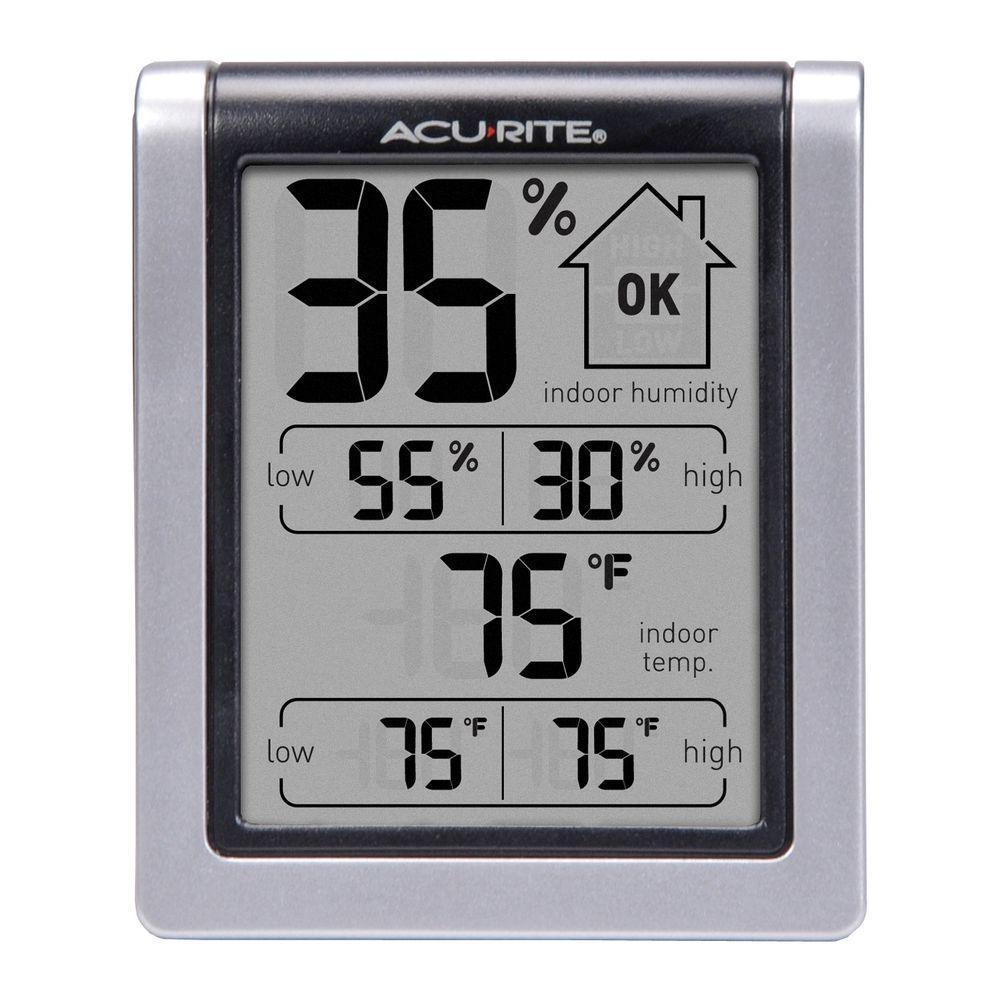
AcuRite digital humidity and temperature comfort monitor
Humidifiers
What happens if I live in a location where the humidity is just not high enough? In that case you need to raise your humidity levels. There are several ways to do this.
The obvious way is to buy a humidifier. However, that will add to the expense of running your fodder system. Instead you can simply take a towel and wet it. Then hang it to dry in your fodder room or the area in which your fodder lives. As the towel drys, the water it contains will evaporate into the air. This should serve to raise your humidity levels in smaller systems.
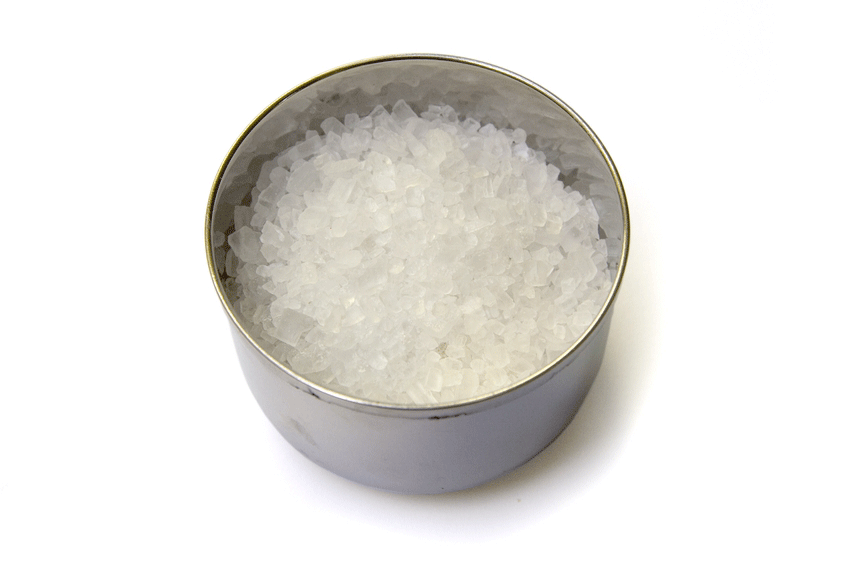
Rock salt dehumidifier
For larger systems you might add a couple spray nozzles to your fodder system. The mist can quickly increase your humidity levels. Just make sure you monitor this spraying activity!
If you do need to purchase a humidifier though, there are many options. A dedicated humidifier can be picked up for around $300 and will monitor for your desired levels and turn on as it is needed. This does add some complexity to your system as an automated humidifier needs a dedicated water source piped to it.
If either of these solutions don’t work quick enough for your needs you can also look into purchasing a commercial de-humidifier. They can be acquired at any big box store such as HomeDepot or similar.
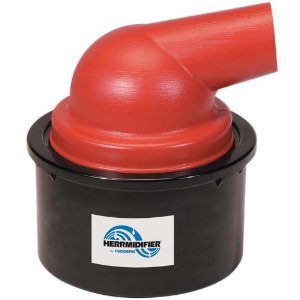
Herrmidifier Humidifier
De-Humidifiers
When ever we are monitoring for a specific numeric value in nature and trying to control it at all times we almost always have to have two devices to help us. In the case of controlling humidity we will need a humidifier and a de-humidifier. A de-humidifier lowers the volume of moisture in the air.
We have a few more options available in the DIY world of de-humidifiers. We can either use a bag of bbq charcoal. Or we can use some rock salt. In both cases, simply dump a bunch of charcoal or rock salt into a plastic or water tight container. Then place that container near your fodder system or in your fodder room. Watch as your humidity starts to drop. Do monitor the container though as it will slowly (or quickly) collect the moisture from the air and needs to be dumped out. In both cases you may need to replace the media every few months.

|
TODO: need an image |