Chapter 2 - Beyond Profits
A Lean Six Sigma approach works for almost any kind of problem, not just those within for-profit companies and organizations.
Did you know that nonprofit organizations and non governmental organizations (NGO) have documented the following successes using Lean and Six Sigma?
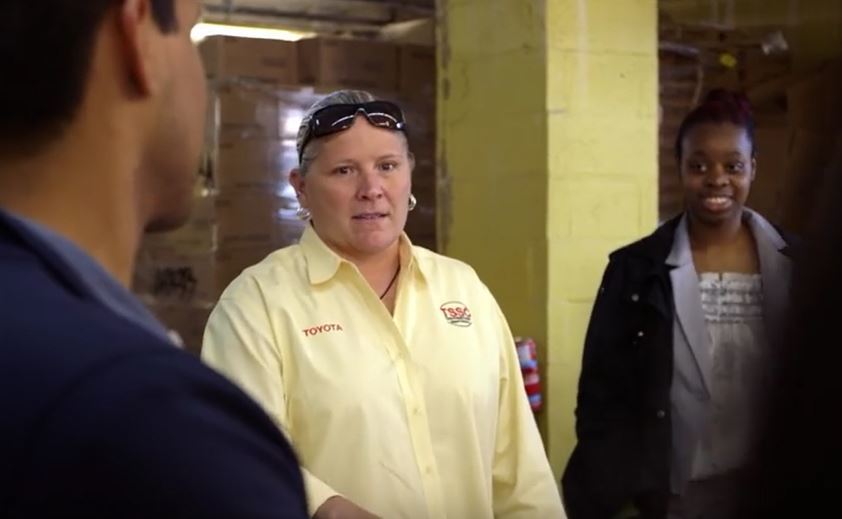
- Toyota Production System Support Center helped decrease time to deliver food to Hurricane Sandy victims from 3 hours to 1.2 hours2
- World Vision International helped decrease costs for mosquito nets and office supplies in East Africa by $100,0003
- Big Brothers Big Sisters of Edmonton helped reduce volunteer sign up times by 50% and reduced overtime by 65%4
- Comprehensive Community Based Rehabilitation in Tanzania helped reduce the cycle time of a donor reporting process by 70%5
Even though there is plenty of opportunity to implement Lean Six Sigma in for-profit organizations, I’d like you to shift your focus and skills in a new direction, to help improve the environment (planet), or help address societal (people) issues.
As I mentioned before, there are two ways you can do this:
1) Help your current organization do good (while you get paid)
- Improve environmental (planet) issues caused by your current organization, such as carbon emissions, water and air pollution, toxic waste, water usage, solid waste to the landfill, and depletion of natural resources.
- Improve social (people) issues in your local community with the support of your organization, such as trash clean-up events, holiday adopt-a-family programs, clothing and canned food drives, nonprofit fundraisers, and volunteer team building days.
2) Volunteer your time outside of work hours to help others do good (unpaid on your own time)
- Improve environmental (planet) issues at a local or global level, such as promoting clean energy, pollution prevention, green buildings, protected lands, water rights and conservation, reductions in toxic waste, increasing composting options, and energy conservation.
- Improve social (people) issues at a local or global level, such as unemployment, pet overpopulation, homelessness, access to education, access to healthy food, access to health care, disease prevention, disaster relief, and animal rights.
I would encourage you to start within your own organization. Even if you get approval to spend only one hour per month on these programs and initiatives, you will still get paid, and it will improve your organization’s brand and reputation within the community. Start by asking your manager if they will let you spend some time on a people issue in your community, or a planet issue caused by your company. You might be surprised at their answer, even if you perceive that your organization is not concerned about these issues. That being said, I feel that volunteering your time outside of work should be part of your plan, regardless if your organization agrees to pay for your time during work hours.
Key takeaway for Chapter 2: How could your organization benefit by spending time on Planet and People issues in the community?
Let’s discuss this in the next chapter on Sustainability.