Chapter 4 - U.N. Sustainable Development Goals
On September 25, 2015, the 193 countries of the United Nations (UN) General Assembly adopted the 2030 Development Agenda15, which consists of 17 goals and 169 targets.
Here are the 17 Sustainable Development Goals (SDG’s):
- No Poverty
- Zero Hunger
- Good Health and Well-Being
- Quality Education
- Gender Equality
- Clean Water and Sanitation
- Affordable and Clean Energy
- Decent Work and Economic Growth
- Industry, Innovation and Infrastructure
- Reduced Inequalities
- Sustainable Cities and Communities
- Responsible Consumption and Production
- Climate Action
- Life Below Water
- Life On Land
- Peace, Justice and Strong Institutions
- Partnerships for the Goals
Let’s first look at the goals that fit into the People section…
PEOPLE
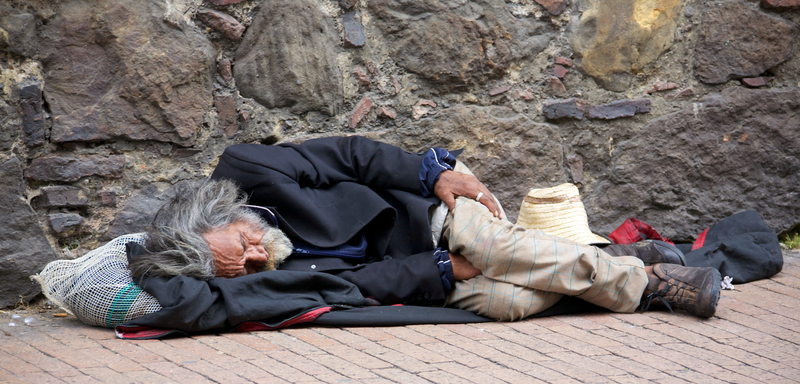
- (Goal 1) No Poverty - End poverty in all its forms everywhere - 20% of people in developing regions live on less than $1.25 a day.
- (Goal 2) Zero Hunger - End hunger, achieve food security and improved nutrition and promote sustainable agriculture - 795 million people are undernourished (about one in nine) in the world today.
- (Goal 3) Good Health and Well-Being - Ensure healthy lives and promote well-being for all at all ages - Every year, more than 6 million children die before age 5.
- (Goal 4) Quality Education - Ensure inclusive and equitable quality education and promote lifelong learning opportunities for all - Globally, 103 million youth lack basic literacy skills, and more than 60% of them are women.
- (Goal 5) Gender Equality - Achieve gender equality and empower all women and girls - In developing countries, girls still face barriers to entering primary and secondary school.
- (Goal 8) Decent Work and Economic Growth - Promote sustained, inclusive and sustainable economic growth, full and productive employment and decent work for all - Global unemployment has reached 202 million in 2012, and stable and well-paid jobs are needed to eradicate poverty.
- (Goal 9) Industry, Innovation and Infrastructure - Build resilient infrastructure, promote inclusive and sustainable industrialization and foster innovation - 800 million people lack access to water, and 2.5 billion people worldwide lack access to basic sanitation.
- (Goal 10) Inequality - Reduce inequality within and among countries. More than 75% are living today in societies where income is more unequally distributed than it was in the 1990s.
- (Goal 11) Sustainable Cities and Communities - Make cities and human settlements inclusive, safe, resilient and sustainable - Over 800 million people live in slums today.
- (Goal 16) Peace, Justice and Strong Institutions - Promote peaceful and inclusive societies for sustainable development, provide access to justice for all and build effective, accountable and inclusive institutions at all levels - Bribery, theft, tax evasion and corruption cost about $1.26 trillion USD for developing countries each year.
- (Goal 17) Partnerships for the Goals - Strengthen the means of implementation and revitalize the global partnership for sustainable development - More than 4 billion people do not use the internet, and 90% of them are in developing countries.
Now let’s look at the goals that fit into the Planet section…
PLANET

- (Goal 6) Clean Water and Sanitation - Ensure availability and sustainable management of water and sanitation for all - 663 million people are still without access to drinking water sources.
- (Goal 7) Affordable and Clean Energy - Ensure access to affordable, reliable, sustainable and clean energy for all - 20% of people lack access to modern electricity, but it is also the primary contributor to climate change.
- (Goal 12) Responsible Consumption and Production - Ensure sustainable consumption and production patterns - The equivalent of almost three planets could be required to provide the natural resources needed to sustain current lifestyles at the current rate of population growth.
- (Goal 13) Climate Action - Take urgent action to combat climate change and its impacts - Global emissions of carbon dioxide (CO2) have increased by almost 50% since 1990.
- (Goal 14) Life Below Water - Conserve and sustainably use the oceans, seas and marine resources - As much as 40% of the world’s oceans are heavily affected by human activities, including loss of coastal habitats, depleted fisheries, and pollution.
- (Goal 15) Life On Land - Protect, restore and promote sustainable use of terrestrial ecosystems, sustainably manage forests, combat desertification, and halt and reverse land degradation and halt biodiversity loss - Globally, 74% of the poor are directly affected by the 13 million hectares of forest being lost each year.
You can read more about each goal on the UN SDG website16
These goals do not cover all issues that you might be passionate about. These are meant to give you some topics to consider. Regardless of your interests, the idea is to select a cause that does not have a profit motive, and put some of your time and effort towards this cause. But don’t forget to bring your Lean and Six Sigma skills with you! Too often people volunteer with organizations and leave their work skills at home!
Key takeaway for Chapter 4: What cause resonates most with you?