1 “Code-less” Game Design
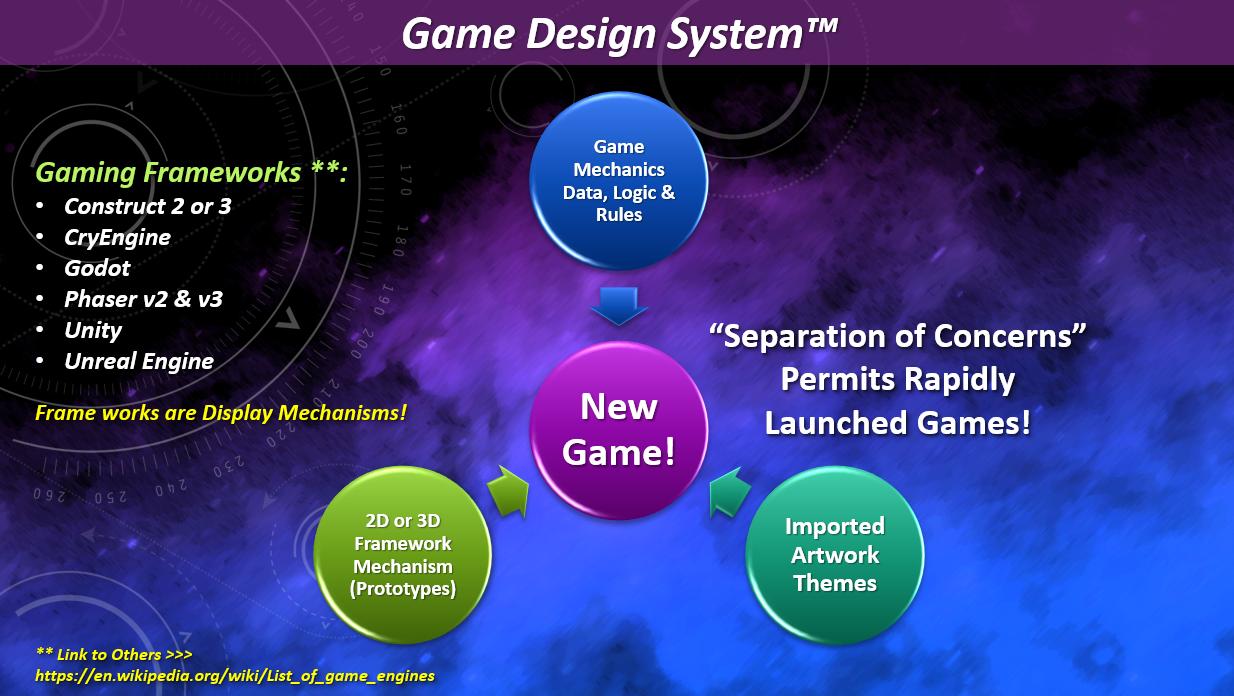
Game classification is diverse. So, I’d like to agree on some standard definitions as we “cook up” our game using the Game Design system™ and its Game Recipes™ tools.
- game prototypes — are a blend of three components: the Game Mechanics (GM — composed of data, logic, and rules); the Artwork Theme(s); and the Game Framework Display Mechanisms (GFDM). It is the “Minimum Viable Product” (MVP). Quoted from “Construct Game Starter Kit Collection” (page 69), “By combining all of our game mechanisms, with a set of game mechanics and its rule systems — as non-invasive aspects in our gaming product — along with an artwork theme, we’re able to create multiple game products quickly. It simply becomes a matter of exchanging any of those “3 cross-cut” components into a new innovative mixture for a new game product. This is the secret to concocting a new game every month or even every week! For example, swapping a “Guitar Hero” artwork theme with a “Plants & Zombies”. The new game uses the same “Game Mechanics” and “Game Display Mechanisms” but with a “fresh organic garden” look and feel! From Page 117, “… let me write that code once and reuse it for similar items in other games as a “component prototype” — this is the secret sauce in our Game Recipes™! Keep your “featured ingredients” D.R.Y (Don’t Repeat Yourself) and use it everywhere in your game Studio!” Construct has already given us many “Plug-ins” components to help us. (See the Appendix for 300+ more Plugins, Behaviors, and Effects!)
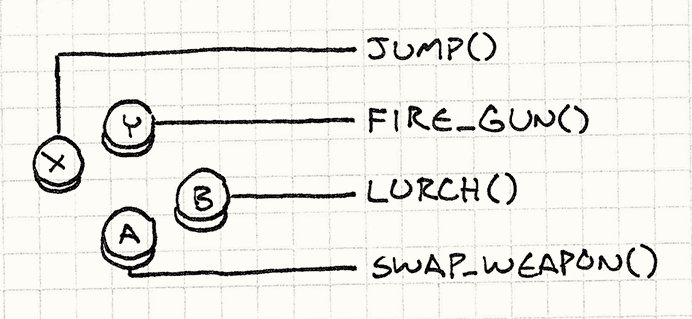
- mechanics — are written into Construct’s “Event sheets”. You merely describe how your game “works” using a “logical block system”. Quoted from “Construct Game Starter Kit Collection” (page 68), “From a game programming perspective, basic Game-Play can be deconstructed — revealing tactical components inside a game’s overall mechanics, logic, and rules. For example, a fighting game deconstructs into various tactics such as attacks (or punches, throws, and kicks), defensive moves, and dodges. These tactics are assigned to code functions and mechanisms — the input keys, mouse clicks, and screen interactions.
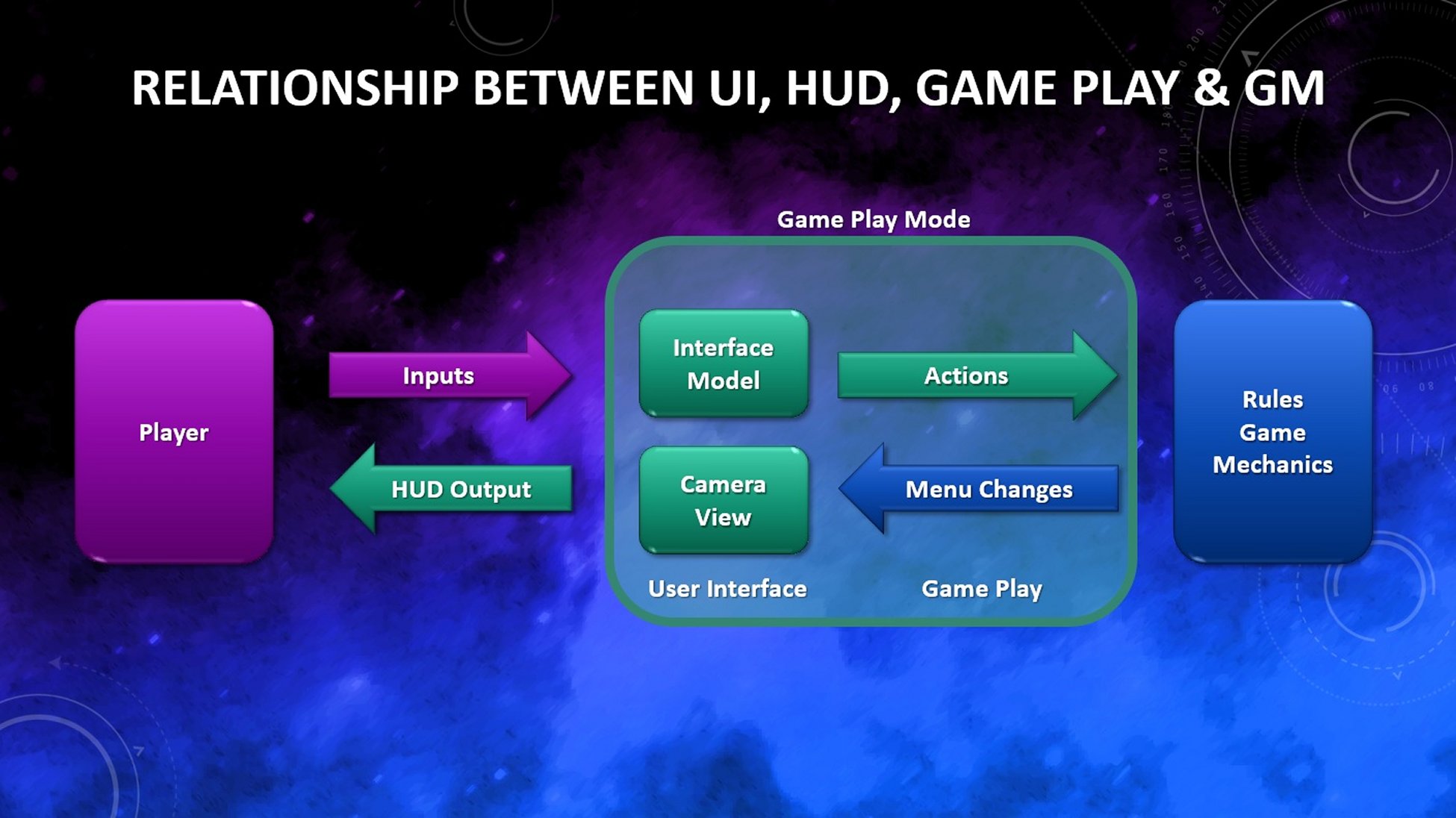
- mechanisms — are those visible objects placed in Construct’s “Scenes, Layouts, and Layers”. Quoted from “Construct Game Starter Kit Collection” (page 85), “The gameboard grid defines the Game Mechanics (GM) movement rules; how that grid is drawn is a Game Framework Mechanism (GFM). Players will send their decisions from their device’s inputs using their browser — keyboard, mouse, game-pad, etc. — and the visual widgets and mechanisms we designate as drop-down menus, buttons, and “sliders”. Mechanisms are those “visual-display elements” of Construct’s Game Framework Mechanism (GFM).”
1.1 Game Genres Defined
Game Genres can be confusing. The inconsistency comes from trying to describe a game’s mechanics, a game’s delivery mode, with details associated with a game’s theme. Game genres are specific game categories related by their similar gameplay characteristics. Remember that gameplay IS the “rules of a game” (i.e.: the Game Mechanics (GM)). Single-player and multi-player are therefore not game genres. They are “delivery” mechanisms dictating the “mode” of gameplay.
A genre’s challenges are those rules that govern its gameplay. Game genres are separate from their interfaces, and operating systems. If we turn to ludology (aka “gaming theory”), it classifies games according to several criteria —
- whether a game is symmetric or asymmetric,
- what a game’s “sum” is (zero-sum, constant sum, and so forth),
- whether a game is a sequential game or a simultaneous one,
- whether a game includes perfect information or imperfect information, and
- whether a game is determinate.
1.2 Demand for Abstract Games
These charts show what games you should develop profitably, in which languages, and where to deploy them (i.e.: marketing channels). “Bump & Jump-to-Capture (J2C)” games are a subset of both the “Puzzle” and “Strategy” genres.
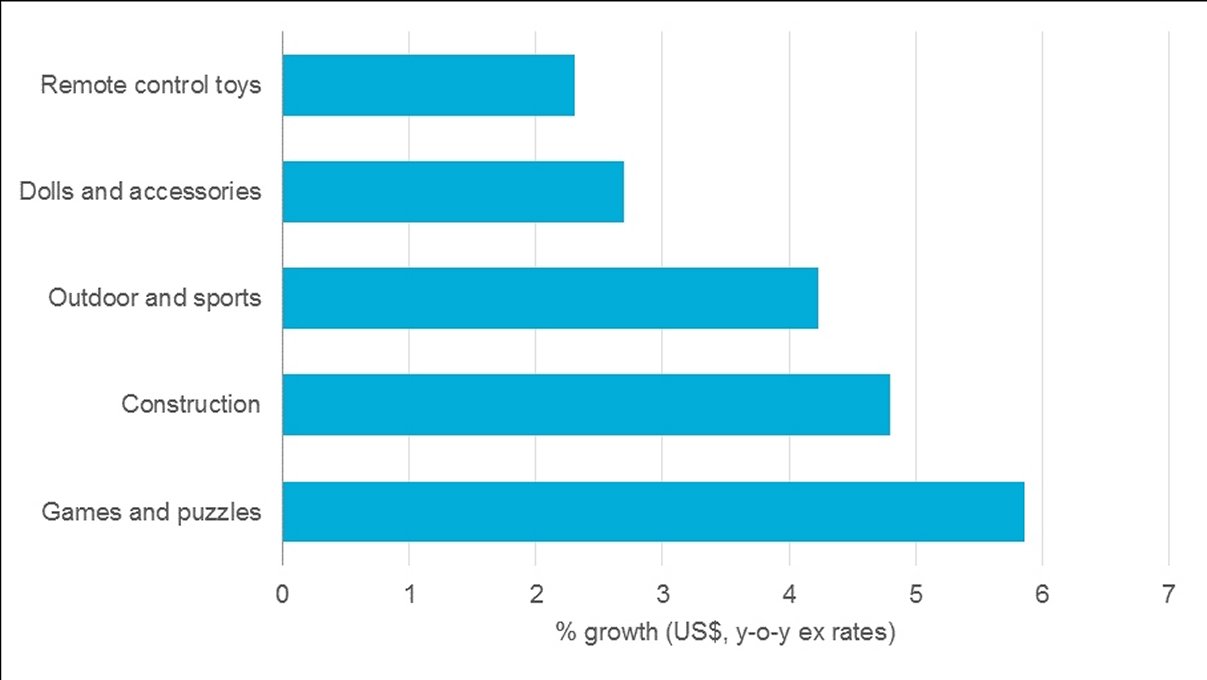
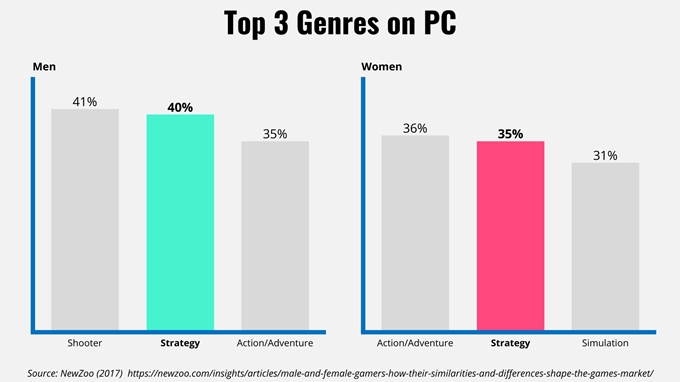
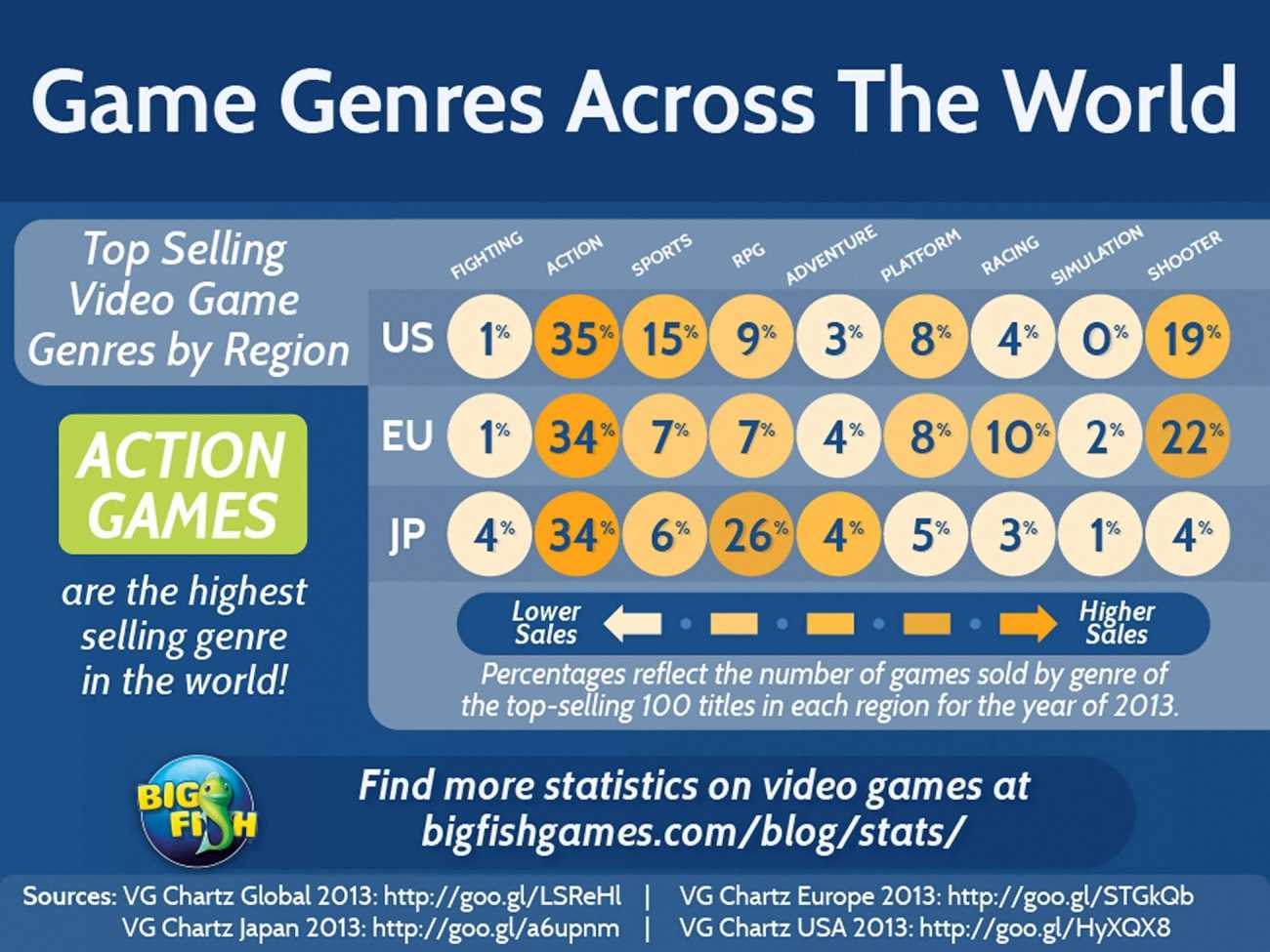
If you combine the “Action-adventure” with the RPG genre, you will have a “healthy market share” to target for your final product. This also guides you into “what style” of Abstract Puzzle Strategy game to create — “Bump or Jump” To Capture is a sub-genre of both “Abstract Strategy” and “Puzzle” games.
1.3 Game Delivery Modes
This is another often-misused term and is often confused with a game’s perspective or participants. Let’s agree that “game mode” refers to a game’s participation and the number of players within a game session. Armed with this definition let’s further define how gamers participate.
Single Player — A single-player game accepts input from only one participant and refers to those games that can be played by only one active person. “Single-player mode” converts game-play into a single-player input. Furthermore, the “Single-player mode” might have representation as an avatar found in PacMan which shows the position and interaction of a player within the gaming world. Single-player is not restricted in representation as in arcade-style games of Tetris. Many military strategy games allow multiple avatars per single gamer while battling the computer’s artificial intelligence. Much of the online games, today were designed for single-player mode. Here’s an interesting and controversial article on the future of computer-monitored single-player games. Are single-player games doomed?
Multi-Player — This mode, as its name suggests, allows more than one game participant. Many game publishers mistakenly set Massive Multi-Player Online Games (MMoG) as a separate gaming genre. Yet, in my opinion, it is not. Massive Multi-Player Online Games (MMoG) is a mode of play couched within many different game genres just as single-player games have varying genres. Gamers can play cooperatively in teams or antagonistically as opponents in this mode. Like single-player games, Multi-Players normally have avatar representation as “one player to one avatar” or “one participant with multiple avatar teams”. The gaming party might have local or remote access to a single game session. Two gamers could play in “hot-seat” mode; in which, they would pass the input devices to the next player for their game-turn. This was popular in the early days of console gaming when local area networks were significantly diminished as compared to current modern-day network capabilities. Modern networks have provided the foundation for Massive Multi-Player Online Games. I have dedicated an entire section to various considerations in the multi-player game development.
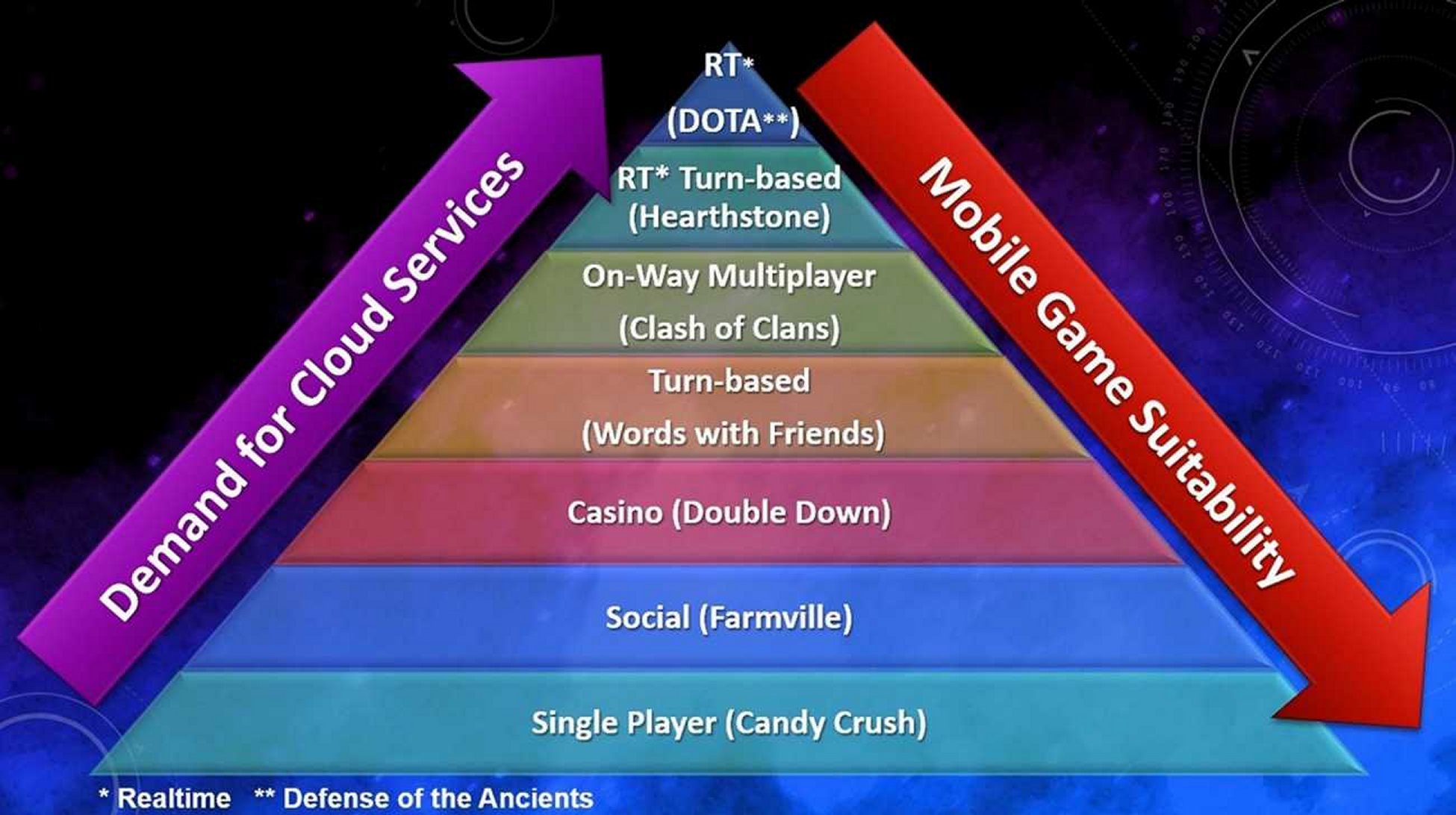
With these definitions, we can now determine which “game mode” to use, how, and where to deploy our game as either a “Cloud Service” or a “Mobile app”.
> Mobile “In Apps Purchases” (IAP) ROI
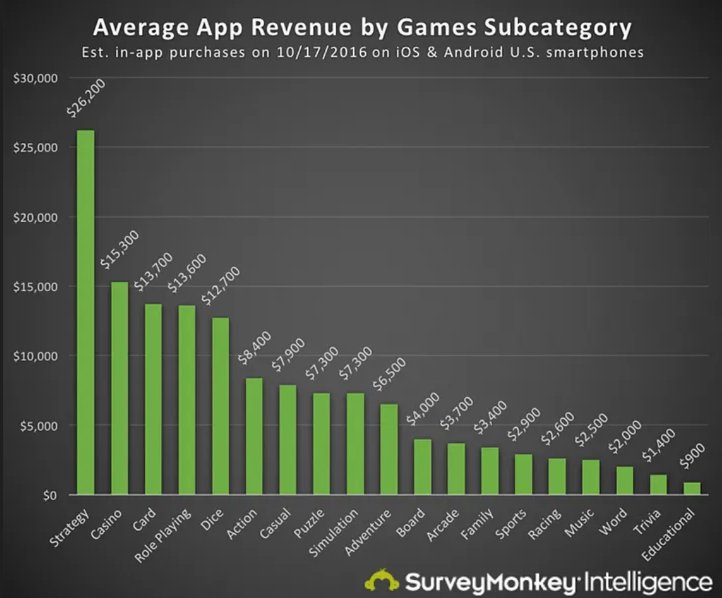
| Top | $21,188,000 (clash of clans) |
| Average | $8,400 |
| 80th Percentile | $3,100 |
| 50th Percentile (Median!) | $150 |
| 20th Percentile | $0 |
1.4 Game Tools & Generators
You will discover many supporting tools from “MakingBrowserGames” GitHub and in the Appendix of this book. Here are some tools that will help in generating gaming ideas, game design documents, and dynamically generated project source code.
- YourKit — supports open source projects with innovative and intelligent tools for monitoring and profiling Java and .NET applications.
- Random Game Mechanics Generator — This idea generation machine randomly selects 3 — by default — common game theory mechanics. The game mechanics and descriptions should help your imagination blend and produce the next blockbuster game.
- Game Framework Mechanisms (FREE Limited Access) — This library of game controls and mechanisms spans several JavaScript gaming frameworks — more are on the way! This tool helps you choose those game controls and then opens the generic code snapshots (aka “snippets”). Spend a minute to re-factor those snapshots to your bespoke design and you’ll have a functional game prototype within minutes.
- GIT — Git is a free and open-source distributed version control system designed to handle everything from small to very large projects with speed and efficiency. Git allows and encourages you to have multiple local branches that can be entirely independent of each other. The creation, merging, and deletion of those lines of development takes seconds.
- Construct Tools & Resources
- “12 Handy Free Productivity Tools For Game Designers”
> The Digital Ludeme Project
This project is a computational study of the world’s traditional strategy games throughout recorded human history. Their aim is to improve our understanding of traditional games using modern AI techniques, chart historical game development, and explore their role in the development of human culture while incorporating ludic ideas. They define games as structured sets of “ludemes” (units of game-related information), which will allow the full range of traditional games to be modeled into a single software system for the first time. (See the “Ludii General Game System” below — a general game system designed to play, evaluate, and design a wide range of games, including board games, card games, dice games, and mathematical games.) Their system will not only model and play games but will also evaluate reconstructions for quality and historical authenticity. This will lay the foundations for a new field of study called “Digital Archaeoludology” (DA).
> Ludii General Game System
Ludii, a computer program, creates games by taking the rules of existing games and scrambling them into new combinations using genetic programming (GP) techniques of crossover and mutation. New games are tested through self-play trials and assigned a quality score based on their estimated potential to interest human players. The complete process of design, testing, and evaluation is entirely automated. Ludii creates a unique name for each evolved game using a Markovian stochastic process seeded with Tolkien-style words.