Chapter 1: Once Upon a Time
Every main character of our epic has their own origin story, a journey that often splits into two different paths: the heroic and the villainous. These paths, though distinct, often intertwine. Heroes and villains both possess unique “superpowers”—some are granted their abilities in an instant. They fall into chemical pits, are struck by lightning, or inherit a kingdom overnight. Their power is bestowed upon them by fate, an accident, or sheer circumstance. One moment, they are ordinary; the next, they wield incredible strength, intelligence, or influence. But power gained in an instant is no guarantee of greatness. Some rise to the challenge, while others crumble beneath the weight of what they have been given.
But not all heroes—or villains—are made in an instant. Some build their power over time, forged through relentless struggle and countless failures. A king who constructs his kingdom from the ground up, a martial artist who tempers their body and mind through years of disciplined training—these are the ones who grow into their strength, step by step. Their journey is not about sudden transformation but about persistence, learning, and growth.
And yet, not all who find themselves in positions of power have walked the path of growth. Some are simply thrust into authority without the knowledge, experience, or capability to lead. They may inherit a title, be promoted beyond their competence, or step into a leadership role out of necessity rather than merit. In these moments, what separates success from failure is not the power they hold, but how they choose to wield it. Will they seek wisdom, learn from others, and grow into their role? Or will they cling to authority, relying on fear and control to maintain their position?
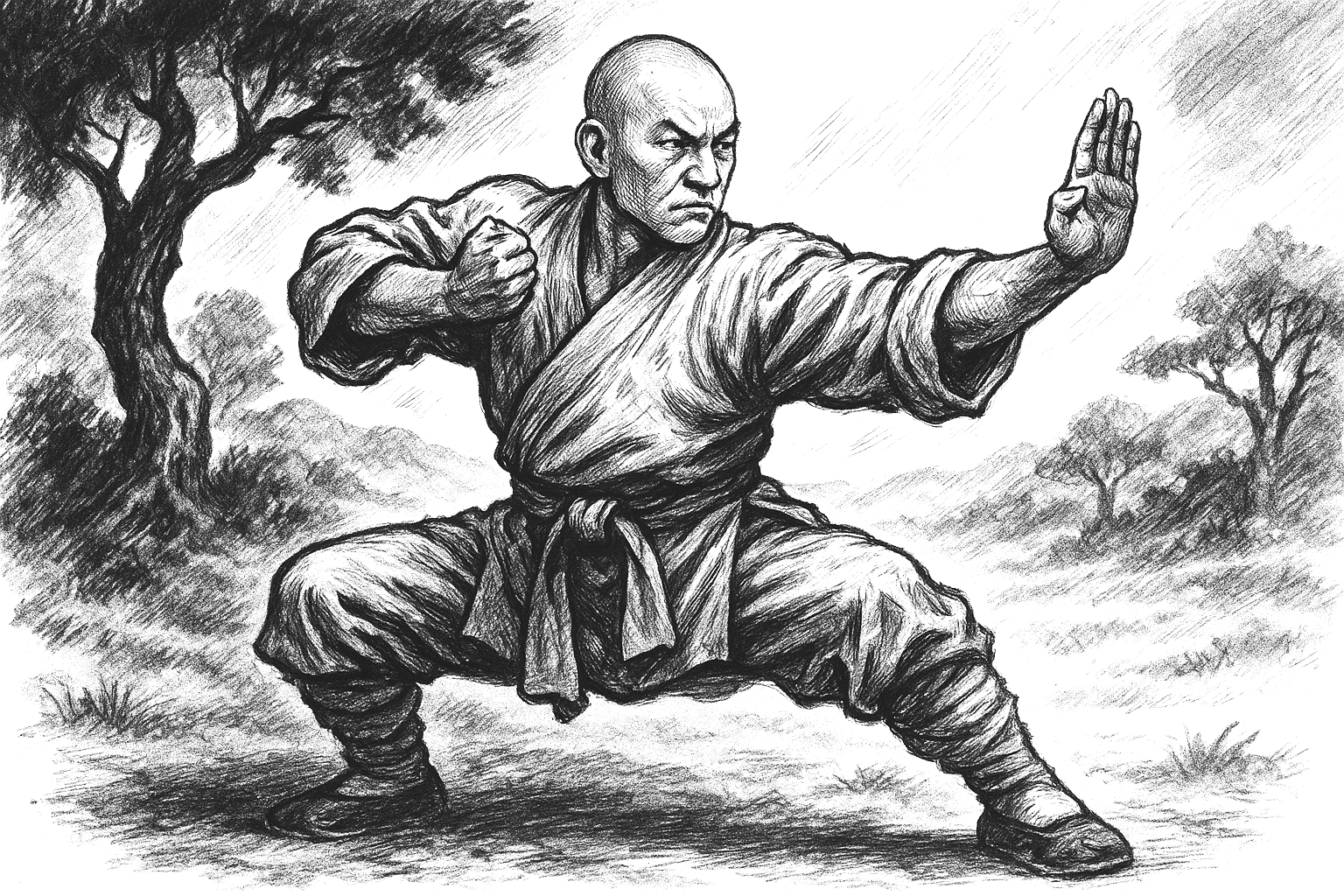
Hero vs Leader
Heroes and leaders share many similarities, but they play different roles in the story. Both act on behalf of something larger than themselves—a group, an organization, or the world. When an alien invades or an asteroid threatens Earth, a hero acts instinctively, without waiting for permission, because they know it’s the right thing to do. In the corporate world, employees follow their leader, trusting that their decisions are for the greater good. The difference? While people on Earth may have no choice but to trust a hero, employees can always walk away from a leader they don’t believe in.
Both heroes and leaders act selflessly, often putting others before themselves. They may have the power to live in outer space, yet they choose to stay and protect Earth. Similarly, some leaders may have the means to retire early and live a life of luxury, but they choose to lead because they believe in making a difference. The person next to you at work—who finishes their tasks early but takes time to help you with yours—may also be a quiet leader, guiding through action, not authority.
The hero comes to the surface when the situation needs them to be. At the end of the story, they walk into the sunset with the view of their villain monster burning in the background. The hero in our story flies back to their lair, removes their cape, transforms into their human form and blends with the communities. Meanwhile, our leader exists as a part of the communities working hand in hand solving problems and leading changes. In every action performed, a leader is not just doing their work but also inspires others with their behaviors and naturally influence others to behave the same way. And in the end, there will be people around our leader that grow leadership behavior and be future leaders.
Sidekick Leadership Mindset
You might be wondering whether this book is to teach leadership to sidekicks, someone who doesn’t have the actual authority to lead a team, or this book is to instill a sidekick mindset toward managers or leaders within an existing organization. The original idea of writing this book is to cover both purposes. To help sidekicks effectively support their hero with leadership, as well as to enable leaders to grow their team to be superheroes.
Leadership behaviors are needed at every level of an organization. Whether you are a person developing a long-term strategic vision for a larger organization, or a man-hour-based contract employee executing orders, there is always room for improvement at every layer of the organizational structure. Some of the key traits of a leader are their ability to spot the opportunity for improvement, the courage to actually initiate the changes and the willingness to put an effort to make it happen. When the change initiatives only come up from the higher table, they often miss details and concerns that are only visible to the person working on the ground level. While changes initiated from the grassroots without higher level acknowledgments and empowerment might end up being guerilla rebellion waiting to be exterminated.
Sidekicks hold determining factors in ensuring the success of our hero’s mission. A wingman watching our six can be the key to our survival let alone the mission accomplishment. A scout seeing far beyond enemy lines to provide intelligence for our convoy to move forward and establish a new perimeter closer to the ultimate goal. Most of the time our tactical team is the one who executes the action on the field, they are the actual heroes who need our support as their leaders. We can get our teams to grow into hero materials, not by acting heroes ourselves and shielding them from incoming shells, but by taking a few steps back and being their sidekicks by providing intelligence, close air support, medics, and logistics.
Visionary, critical thinking, courage, and resourcefulness of a leader, combined with the noble cause, and selflessness of a sidekick could be the key that unlocks team growth and effectiveness. Everyone from the higher level of the table and the grassroots shared the same goal and also had the same opportunity and accountability to make it happen as a collaborative effort.
Sidekick Leadership Principles
Growing leadership toward sidekicks had its own challenges, it is not an easy job to ignite the mental model of a leader that will lead to action. Some people get used to receiving orders and comply with them which suppresses their creativity. While instilling sidekick behavior toward leaders is another tricky task to do. Biologically people tend to care about themself more than others, and they only help others if it benefits them. And that’s what this book is all about, to help us get around these challenges, and there are a few guiding principles that can help both growing leadership and sidekick mentality. The sidekick leadership core mindset lies in the following fundamental principles :
- Grow Trustworthiness.Trust is the foundation of collaboration. It enables individuals to work together toward a shared purpose without hidden agendas. Trustworthiness is not just about being reliable but also about extending trust to others and creating a mutually supportive environment. This book explores how to build trustworthiness within ourselves while fostering an atmosphere where trust can thrive.
- Reveal Visibility. To move closer to their goals, leaders, and teams need clarity about their current position and the direction they must take. Visibility provides the essential information required to make informed decisions, whether it’s taking a step forward or changing course. Leaders play a pivotal role in fostering transparency, ensuring their teams have the clarity needed to align their efforts effectively. This book helps reveal the pathways for growth while empowering others to uncover their own.
- Foster Empowerment. Empowerment is the catalyst for unleashing a team’s potential. By fostering an environment where individuals are encouraged to take initiative, make decisions, and grow, leaders unlock their team’s capacity to thrive. Empowerment is not simply delegation; it’s about providing the resources, confidence, and autonomy people need to succeed. This book delves into how leaders can create the conditions for empowerment and inspire their teams to take ownership.
- Augment Agility. The journey toward any goal is filled with uncertainty and challenges. True agility lies in the ability to adapt, discover solutions, and learn from failures. Leaders who embrace change and encourage a mindset of continuous improvement prepare their teams to face complex and unpredictable situations. This book offers strategies to enhance agility and develop future-proof approaches to achieve success.
- Maintain Sustainability. Achieving a target is one thing; maintaining a high-performing team over time is another. Sustainability ensures that teams remain resilient and effective despite evolving circumstances and unexpected disruptions. Leaders must continuously assess vulnerabilities and nurture a culture where individuals can thrive and innovate. This book highlights the importance of sustainability and how leaders can create lasting value for their teams and organizations.
The principles of Sidekick Leadership serve as the foundation for building effective and resilient teams. These principles emphasize the importance of trust, clarity, empowerment, adaptability, and long-term resilience in leadership. Together, they guide leaders to support their teams not as authoritative figures but as empowering sidekicks who inspire collaboration, growth, and success. By embracing these principles, leaders can create environments where individuals and teams can thrive, innovate, and achieve meaningful goals together.
The Grand Voyage
As mentioned at the beginning of this chapter, superpowers can come instantly. It could be triggered by a genetic mutation, radioactive exposure, super-soldier serum injection, or an engineered exoskeleton armor. It is a whole different story with heroism. True heroes had a background that shaped their heroic behavior of selflessness, a calling to help others from tyrants and save the day. Heroism character building could come from proper parenthood, from the guidance of a mentor, or coming from within the person itself as the response to the situation around them.
The purpose of this book is to help you begin your journey of becoming a sidekick leader and grow your team to be the hero of the story by providing areas of concern, methods to understand the situation, and suggested approaches on how to improve them. However, the situation might vary from one person to another, from one organization to another, some aspects of this book might be more relevant to some people compared to others. Again, leadership takes time, effort and persistence to understand, let alone to master. Do evolutionary changes, make small but continuous improvements to your leadership.
Throughout the book, including this chapter, you will find several icon leading an information. There are several types of icon to help you on your journey to being a sidekick leader. Those are:
As this first chapter comes to a close, it’s worth remembering that leadership often comes with unseen challenges. Many find themselves navigating shifting expectations, balancing pressure from all directions, or quietly questioning if they’re doing enough. The journey ahead won’t promise easy answers, but it offers a chance to see through a different lens, to think in new ways—challenging old assumptions, reframing problems, and staying open to unfamiliar perspectives—and to explore new actions with a spirit of experimentation. Sometimes, the smallest shift in how we perceive a situation, approach a problem, or respond to our team can lead to meaningful change. This book invites you to explore those shifts—one step at a time.
Beyond this point, each chapter is independent from one another. Of course, you can go through chapter by chapter as arranged in the book. Or you can pick the most exciting title, read the chapter, and apply it with your team. After some time, take a step back and inspect your experiment. Is it working for you? Figure out why and refine your approach. Do one experiment at a time, and go for another after the conclusion of it.