About: H.P. Lovecraft
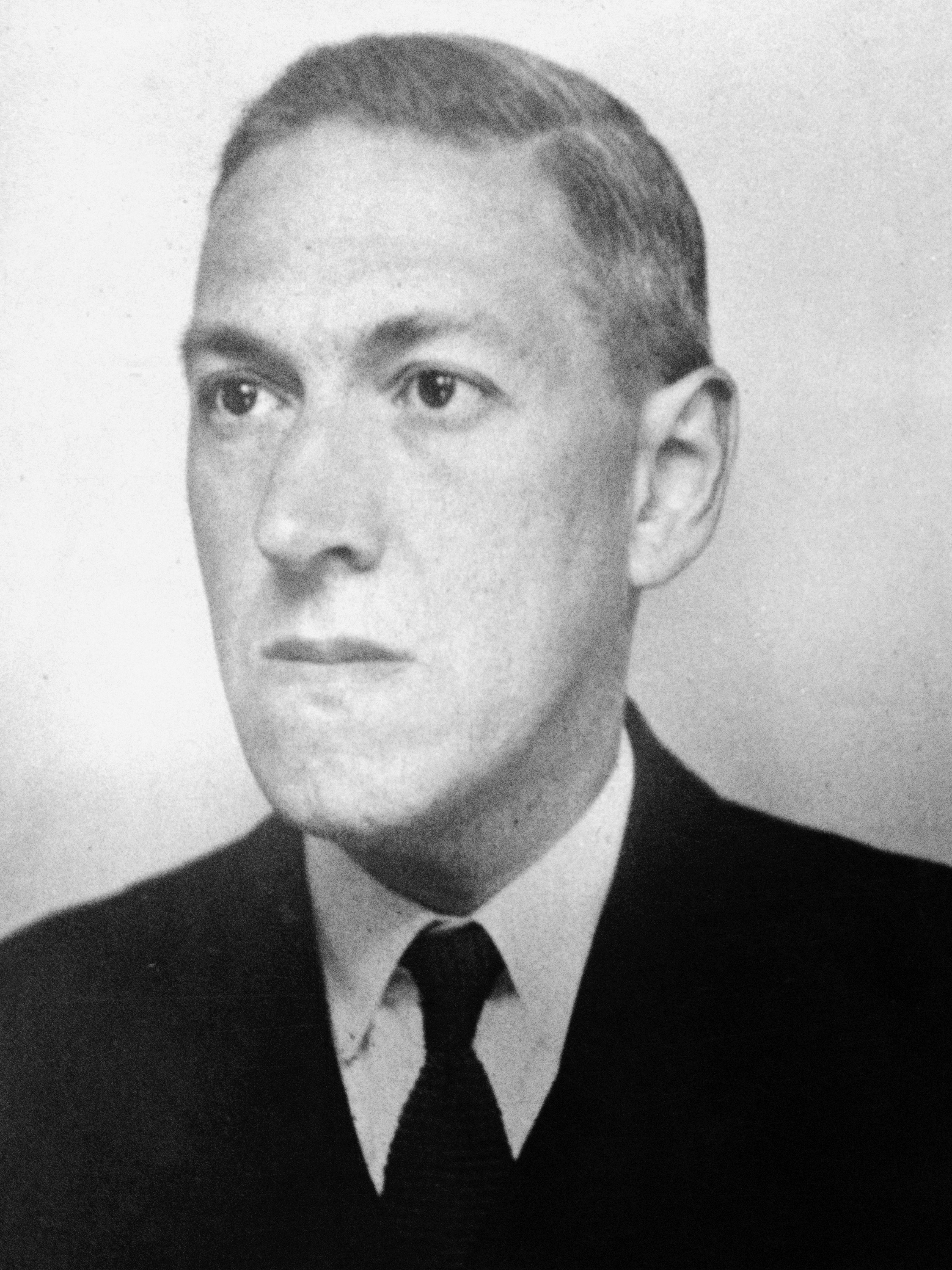
Howard Phillips Lovecraft (August 20, 1890 – March 15, 1937) was an American writer of weird, science, fantasy, and horror fiction. He is best known for his creation of the Cthulhu Mythos.
Born in Providence, Rhode Island, Lovecraft spent most of his life in New England. After his father’s institutionalization in 1893, he lived affluently until his family’s wealth dissipated after the death of his grandfather. Lovecraft then lived with his mother, in reduced financial security, until her institutionalization in 1919. He began to write essays for the United Amateur Press Association, and in 1913 wrote a critical letter to a pulp magazine that ultimately led to his involvement in pulp fiction. He became active in the speculative fiction community and was published in several pulp magazines. Lovecraft moved to New York City, marrying Sonia Greene in 1924, and later became the center of a wider group of authors known as the “Lovecraft Circle”. They introduced him to Weird Tales, which became his most prominent publisher. Lovecraft’s time in New York took a toll on his mental state and financial conditions. He returned to Providence in 1926 and produced some of his most popular works, including “The Call of Cthulhu”, At the Mountains of Madness, The Shadow over Innsmouth, and The Shadow Out of Time. He remained active as a writer for 11 years until his death from intestinal cancer at the age of 46.
from Wikipedia
H.P. Lovecraft’s political and racial opinions, which are evident in some of his writings and personal correspondence, reflect the prejudiced attitudes of his time. His xenophobic and racist views, though not uncommon in the early 20th century, are starkly at odds with contemporary values of equality and inclusivity. These aspects of Lovecraft’s worldview can be jarring and uncomfortable for modern readers, highlighting the evolution of societal norms and the ongoing struggle against bigotry. Despite this, the editors of “The Lovecraft Mythos” have chosen to preserve the original texts in their entirety, recognizing their historical significance and the importance of presenting Lovecraft’s work unaltered. This decision allows readers to engage with his stories authentically, while also acknowledging the dated and problematic elements within his body of work.