Week 4: Proactive vs Reactive
Proactive vs Reactive
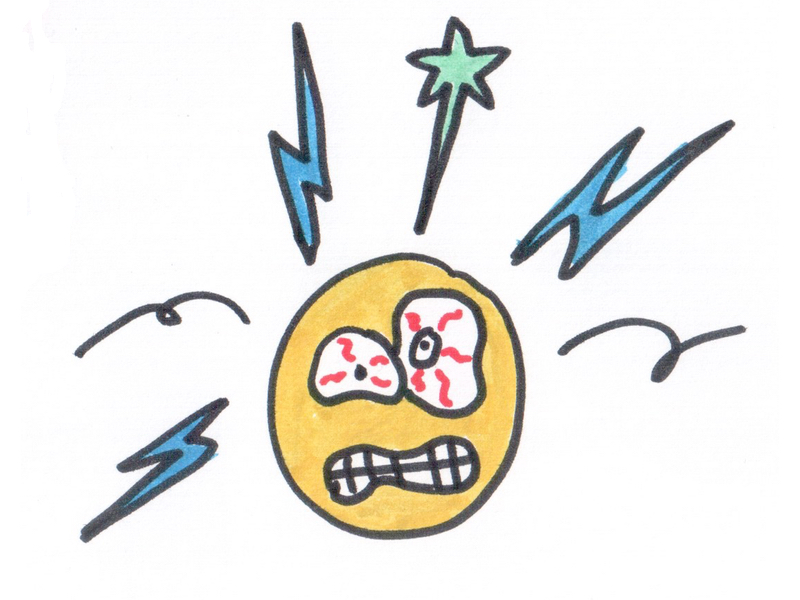
Think about your average day at the office. How would you rate it on a scale of 1 to 10, when 1 is calm and peaceful and 10 is hectic and crazy? If you are running around everyday doing what we call “the headless chicken dance” then you are likely mostly being reactive. This means you tackle problems as they arise, and they usually arise a lot. As explained in the first week, part of the challenge of being a ScrumMaster is that your job should be proactive, rather than reactive. Instead of constantly putting out fires, you should instead be preventing them from ever becoming fires.The hardest part of being proactive, is that it is not obvious what you need to do, and if you are doing it well, almost no one notices because everything just runs smoothly. If your environment is in a constant state of crisis, you need to consciously create space and time to be proactive. Continuing to be reactive only perpetuates the crisis state.
Let’s look at a story. Kate is a Scrum Master and her team is working well together. Kate feels she is proactive a lot of the time, but the times she feels crazy are just before a release. It seems she needs to be in 10 different places at once for the 2 weeks before a release. Some of the things happening during those two weeks are: Her PO needs all the critical bugs fixed Her team is working on bugs but as individuals so they can cover more ground Every release to the testing environment seems to bring new critical bugs The closer they get to release date the more stressed everyone gets The team works overtime to fix more bugs.
Kate has noticed when she (and her team) are reactive and listed her observations. Now she can start working on these proactively. Perhaps she can investigate Agile Testing in order to prevent bugs. Perhaps her team can try releasing to production more frequently so that smaller pieces of work go in. Maybe the team can try fixing bugs as soon as they are found rather than leaving them to the end of the release.
As you can see by the story above being proactive means slowing down and observing the chaos in order to make some some changes.